- Mood disorders
- Addictions support
- CBT and DBT methods
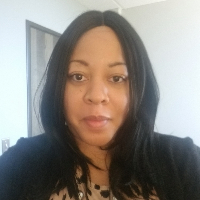
About Latasha
Latasha Shannon is a Licensed Master Social Worker (LMSW) and Licensed Clinical Social Worker (LCSW) with 19 years of experience practicing in Michigan, Kentucky, and Arizona. She works with people facing depression, anxiety, trauma, mood disorders, and addiction. She also supports those dealing with relationship strain, grief, work stress, and shifts in life roles.
Shannon uses practical, evidence-informed methods in sessions and draws on approaches like Cognitive Behavioral Therapy and Dialectical Behavior Therapy. She listens to how problems show up in daily life and helps people build small, manageable skills to feel steadier. Conversations focus on what is happening now and what can change next.
Her work also attends to patterns such as codependency, impulsivity, dissociation, and issues tied to aging or intellectual disability. She helps people talk through complicated feelings around abandonment, forgiveness, guilt, and intimacy. For those affected by substance use she addresses drug and alcohol addiction alongside emotional patterns that keep the problem going.
Sessions include attention to relationship and family concerns as they affect the individual, including communication problems, divorce and separation, and caregiving or hospice and end-of-life issues. She uses client-centered and emotionally-focused methods to strengthen how people relate to themselves and others.
Shannon combines structured tools and reflective conversation. She helps create step-by-step plans for coping with mood swings, low periods, anger, and stress. People leave with specific strategies they can practice between sessions and a clearer sense of next steps.
Approaches used in online sessions
Latasha Shannon draws on Client-Centered Therapy, Cognitive Behavioral Therapy (CBT), and Dialectical Behavior Therapy (DBT) in her work. Client-Centered Therapy focuses on listening, validation, and helping people identify what matters to them so they can set workable goals and make choices that fit their life. CBT looks at the connections between thoughts, feelings, and behaviors and offers practical exercises for changing unhelpful patterns and easing depressive or anxious episodes. DBT teaches skills for regulating strong emotions, tolerating distress, and improving interpersonal effectiveness, which can help when mood swings or impulsivity cause problems.Finding the right approach is part of the work she does together with each person. She will discuss options, try techniques, and adjust the plan based on what helps most. That collaborative process includes checking how tools fit daily routines and what goals feel achievable.
Session formats are not specified in the biography, so confirm current session options before booking. Online therapy can make it easier to fit sessions into a busy week, reduce travel time, and allow shorter check-ins when needed. It can also let people use breathing or grounding exercises between household tasks, or choose audio if video is difficult. The therapist and client agree together which formats and rhythms of sessions make the most sense.
Areas of expertise
Primary focus
Also works with
Additional focus areas
Therapeutic approaches
Experience
19+ years
Credentials
Michigan, Arizona, Kentucky
Languages
English
Frequently asked questions
What kinds of concerns does she help with?
She works with depression, anxiety, mood disorders, trauma, and addiction, plus related issues such as grief, anger, relationship strain, and career stress.
What is her therapeutic style like?
She combines client-centered listening with practical tools from Cognitive Behavioral Therapy and Dialectical Behavior Therapy to address thoughts, emotions, and behaviors.
How much experience does she have?
She has 19 years of clinical experience practicing across Michigan, Kentucky, and Arizona.
What credentials and location are listed?
She holds the credentials LMSW and LCSW and practices in Michigan with licensure also noted for Kentucky.
Which languages are sessions offered in?
Sessions are offered in English.
Does she work with clients outside the U.S.?
International clients are not currently accepted.
How are sessions arranged and paid for?
Cost varies with location and sessions use a subscription that can be canceled at any time.
How do I begin a first session?
Choose the See online therapy options button, complete a short matching questionnaire, and then schedule your first session.
Before you reach out
- Check that the state license on record covers the state you live in.
- You do not need a diagnosis or the right words. Saying "my mood has been up and down" or "I have felt low for weeks" is a fine place to start.
- Counselors offer talking support. Questions about medication belong with a doctor or psychiatrist, and the two can go side by side.
- A profile shows the topics a counselor lists; it is not a diagnosis or a promise of any result.
If you feel unsafe right now, call or text 988, or call 911.