- Depression support
- Anxiety and stress
- Grief and loss
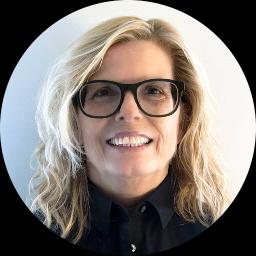
About Laura
Laura Small is an LMHC - Licensed Mental Health Counselor - licensed in Massachusetts with 10 years of clinical experience. She works with people feeling low, having mood swings, or coping with long low periods. Her listed concerns include depression, anxiety, stress, grief, self esteem, and life changes.
She meets people in a direct and interactive style. Sessions are conversational and focused on practical steps. Laura draws on cognitive approaches and other evidence-based techniques to help people notice unhelpful thinking and try different behaviors.
Her background includes a range of clinical settings over a decade. That experience includes supporting people who have faced trauma, emotional abuse, and complex life stressors. She has also worked with concerns related to adoption and foster care, attachment, aging, chronic illness, and caregiver stress.
In sessions she pays attention to how thoughts, feelings, and relationships affect day-to-day life. Expect to talk through recent difficulties, identify patterns that keep problems going, and practice small changes between sessions. The focus is on workable steps and clearer choices rather than labels.
Laura adapts sessions to a person's needs and goals. She uses conversational methods drawn from several therapeutic approaches and adjusts the pace according to what someone can manage. People should confirm current session options before booking.
How Laura Uses Evidence-Based Methods Online
Laura describes her work as drawing on cognitive and related evidence-based techniques. Cognitive approaches focus on identifying unhelpful thinking patterns and testing new, more useful ways of thinking. These methods are often used for depression, anxiety, and low mood.She also uses humanistic and psychodynamic-informed ideas to pay attention to relationship patterns and emotional history. Those approaches help people understand how past experiences shape current feelings and interactions. Together these methods give tools for practical coping and space to look at longer-standing patterns.
Choosing the right approach is a collaborative process. The therapist will talk with the person about goals, symptoms, and preferences, then try methods that fit. Adjustments are made as progress and needs become clearer during sessions.
Session formats are not specified in the biography, so confirm the current online options before booking. Many people find online sessions easier to fit around work, caregiving, or busy schedules. Online work can reduce travel time, allow shorter check-ins when needed, and make it simpler to keep appointments during a busy week.
Areas of expertise
Additional focus areas
Experience
10+ years
Credentials
Massachusetts
Languages
English
Frequently asked questions
What kinds of mood concerns does she help with?
She works with depression, anxiety, stress, grief, low self esteem, and coping with life changes as listed in her profile.
What is her therapeutic style like?
Her style is interactive and conversational, focusing on practical steps and changes people can try between sessions.
How much clinical experience does she have?
She has 10 years of experience working in clinical practice.
What are her credentials and location?
She is an LMHC - Licensed Mental Health Counselor - practicing in Massachusetts.
Which languages are supported?
Sessions are offered in English.
Does she work with international clients?
She does not accept international clients at this time.
How much do sessions cost?
Cost varies with location and sessions use a subscription that can be canceled at any time.
How do I begin a first session?
Select the See online therapy options button, complete a short matching questionnaire, and schedule a first session.
Before you reach out
- Check that the state license on record covers the state you live in.
- You do not need a diagnosis or the right words. Saying "my mood has been up and down" or "I have felt low for weeks" is a fine place to start.
- Counselors offer talking support. Questions about medication belong with a doctor or psychiatrist, and the two can go side by side.
- A profile shows the topics a counselor lists; it is not a diagnosis or a promise of any result.
If you feel unsafe right now, call or text 988, or call 911.