- Attachment focus
- CBT techniques
- Client centered
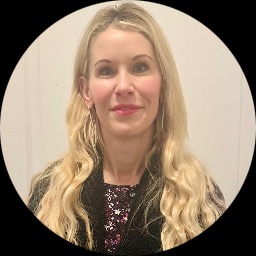
About Laurie
Laurie Lasner is a Utah psychologist (UT Psychologist 14223399-2501) with 20 years of clinical experience helping people with depression, anxiety, stress, and relationship concerns. She works with adults who feel stuck by low mood, frequent worry, trouble communicating, or big life changes.
She focuses on clear, practical conversations. Sessions often look at how attachment patterns and past relationships affect current mood and behavior. Laurie uses cognitive behavioral ideas to help people spot unhelpful thoughts and test new ways of coping.
People who come to her often want to feel less isolated and more confident in relationships. She helps with parenting stress and caregiver strain, negotiating separation or divorce, and healing family of origin wounds. She also supports those working on self-esteem, self-love, and life purpose.
Her style balances short-term problem solving with deeper exploration of long-standing patterns. That means working on immediate coping strategies while also examining how early experiences shape present feelings. Laurie explains steps plainly and helps people try out changes between sessions.
She practices in Utah and runs a practice shaped by twenty years of seeing a wide range of mood and relationship difficulties. People who choose her usually want a thoughtful, steady clinician who connects practical skills with deeper understanding.
How her therapeutic approaches translate to online sessions
Laurie draws on attachment-based therapy to look at how early relationships affect current connections and mood. This approach helps when loneliness, trust issues, or repeated relationship patterns are part of someones low mood.She also uses cognitive behavioral therapy to identify unhelpful thoughts and test practical changes. CBT work is useful for managing worry, breaking a low mood cycle, and building concrete coping skills.
Finding the right approach is part of the work. Laurie will collaborate with the client to decide which methods to emphasize based on their needs, goals, and preferences. That choice is revisited as progress is made and priorities shift.
Session format options are not specified here, so confirm current session types before booking. Online therapy can make it easier to fit appointments into a busy week, reduce travel time, or have shorter check-ins when time is limited. It can also allow people to work on communication patterns and thought changes from their regular routines, which helps carry changes into daily life.
Areas of expertise
Primary focus
Additional focus areas
Therapeutic approaches
Experience
20+ years
Credentials
Utah
Languages
English
Frequently asked questions
What concerns does she help with?
She works with stress, anxiety, depression, mood swings, relationship issues, self-esteem, and coping with life changes.
What therapeutic approaches does she use?
She uses attachment-based therapy, client-centered work, cognitive behavioral techniques, existential ideas, and psychodynamic perspectives to guide sessions.
How much experience does she have?
She has twenty years of clinical experience as a practicing psychologist in Utah.
What are her credentials and where does she practice?
She is a Utah psychologist with credential UT Psychologist 14223399-2501 and practices in Utah.
Which languages are available for sessions?
Sessions are offered in English.
Does she work with clients outside the country?
She does not accept international clients at this time.
How are sessions paid for?
Cost varies with location and sessions use a subscription that can be canceled at any time.
How do I begin the process?
Use the See online therapy options button, complete a short matching questionnaire, and schedule a first session.
Before you reach out
- Check that the state license on record covers the state you live in.
- You do not need a diagnosis or the right words. Saying "my mood has been up and down" or "I have felt low for weeks" is a fine place to start.
- Counselors offer talking support. Questions about medication belong with a doctor or psychiatrist, and the two can go side by side.
- A profile shows the topics a counselor lists; it is not a diagnosis or a promise of any result.
If you feel unsafe right now, call or text 988, or call 911.