- Mood and depression
- Anxiety and stress
- LGBT and identity
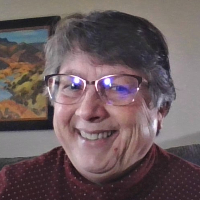
About Leslie
Leslie Cullen is a Licensed Mental Health Counselor (LMHC) in Washington with 30 years of experience. She sees adults who are coping with mood changes, long low periods, anxiety, trauma, substance concerns, and stress related to life transitions and identity. Leslie also works with people facing grief, relationship struggles, sleep problems, anger, and issues tied to sexual orientation and gender identity.
Leslie takes a practical, present-focused approach. She uses cognitive and behavioral techniques to help people notice patterns of thinking and try new ways of responding. She also draws on attachment-oriented ideas to look at how past relationships shape current emotional reactions.
Sessions emphasize clear tools and reflection. Leslie encourages noticing what happens in daily life and testing small changes between meetings. She explains concepts plainly and offers exercises people can try on their own to manage mood swings, impulsivity, or sleep disruptions.
Her background includes long experience with diversity and chronic mental health and substance use concerns. That experience informs how she helps people sort competing needs and make stepwise changes. Leslie pays attention to how cultural and social roles affect identity and emotional well-being.
People who choose Leslie can expect a steady, straightforward style that focuses on the present and practical strategies. She works in English and practices in Washington. Before booking, confirm the current session options and formats she is offering.
How her approaches translate to online work
Leslie blends cognitive behavioral methods and attachment-based ideas in her practice. Cognitive Behavioral Therapy (CBT) focuses on identifying unhelpful thinking patterns and testing small behavior changes to reduce low mood and anxiety. Attachment-Based Therapy looks at how early and important relationships shape emotional reactions and current patterns in close relationships.Finding the right approach is collaborative. Leslie will discuss goals and preferences and then suggest which methods to try. She works with clients to adjust techniques over time, pairing practical exercises with reflection to see what helps most.
Confirm the session formats she currently offers before booking, as this profile does not list specific options. Online work can make it easier to fit therapy into a busy life, such as shorter check-ins during a lunch break or sessions without needing travel time. It also allows continuing work through life transitions when in-person visits are harder to arrange. Licensed professionals can use these formats to keep momentum and practice new skills between sessions.
Areas of expertise
Primary focus
Also works with
Additional focus areas
Therapeutic approaches
Experience
30+ years
Credentials
Washington
Languages
English
Frequently asked questions
What kinds of concerns does she help with?
Leslie helps adults with mood changes, depression, anxiety, trauma, substance concerns, relationship and intimacy issues, grief, sleep problems, anger, and identity-related issues including LGBT matters.
What is her therapeutic style?
She uses a present-focused, practical approach that emphasizes cognitive and behavioral techniques along with attachment-based ideas and reflection.
How much experience does she have?
Leslie has 30 years of clinical experience working with diverse populations and people with chronic mental health and substance use concerns.
What credential does she hold and where does she practice?
She is a Licensed Mental Health Counselor (LMHC) licensed in Washington and practices in that state.
Does she offer sessions in other languages or to international clients?
Sessions are offered in English. She is not accepting international clients at this time.
What session formats are available?
Please confirm current session options with Leslie before booking, as formats are not specified in the profile.
How much do sessions cost?
Cost varies by location; sessions use a subscription model that can be canceled at any time.
How do I get started?
Select the See online therapy options button, complete a short matching questionnaire, and schedule a first session.
Before you reach out
- Check that the state license on record covers the state you live in.
- You do not need a diagnosis or the right words. Saying "my mood has been up and down" or "I have felt low for weeks" is a fine place to start.
- Counselors offer talking support. Questions about medication belong with a doctor or psychiatrist, and the two can go side by side.
- A profile shows the topics a counselor lists; it is not a diagnosis or a promise of any result.
If you feel unsafe right now, call or text 988, or call 911.