- Addiction recovery
- Trauma and grief
- LGBT concerns
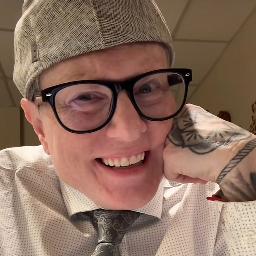
About Linda
Linda Irish is an LMHC (Licensed Mental Health Counselor) practicing in Washington with 35 years of experience. She works with people facing addiction recovery, trauma and abuse, grief, and LGBT-related concerns, along with struggles tied to family dynamics and life transitions.
Linda focuses on helping people with mood shifts, anxiety, depression, and relationship conflicts. She also supports those dealing with attachment issues, codependency, identity questions, and the practical challenges that come with aging or chronic illness. Sessions center on clear conversation about what is happening now and what the client wants to change.
Her style is collaborative and person-centered. She listens, reflects, and asks practical questions to help clients notice patterns and try different ways of coping. Work in sessions may include building emotional awareness, practicing new communication skills, and planning small, manageable steps between meetings.
Linda draws on evidence-based therapeutic techniques to guide interventions rather than a single fixed method. She adapts strategies to fit the individual, paying attention to cultural and life background. People often use sessions to sort through painful memories, make decisions, or find steadier daily routines.
Clients who seek help for addictions, grief, trauma, or identity concerns will find a clinician with long experience and a steady, straightforward approach. To begin, the process involves a short matching questionnaire and scheduling a first session through the online options button.
How evidence-based techniques shape online sessions
Linda uses evidence-based therapeutic techniques to guide conversations and practical work. One common strand is trauma-informed methods that help people process difficult memories and reduce overwhelming responses; these approaches focus on pacing, grounding, and gradual exposure to distressing material. Another useful element is skills-based cognitive and behavioral work that helps people notice unhelpful thinking, try alternative responses, and build routines that steady mood and daily functioning.Finding the right mix of techniques is a collaborative process. The therapist and client discuss goals, try approaches in session, and adjust methods based on what feels useful. This means treatments are shaped by the persons needs, preferences, and what emerges in early meetings rather than by a fixed plan.
Confirm the available session formats before booking, since the biography does not list specific options. Online sessions can make it easier to fit therapy into a busy life by removing travel time or allowing shorter check-ins when schedules are tight. They can also help people continue care through moves or health changes. Talk with the clinician about what times and session lengths work best and how to structure meetings to match everyday routines.
Areas of expertise
Primary focus
Additional focus areas
Experience
35+ years
Credentials
Washington
Languages
English
Frequently asked questions
What concerns does she address?
She works with addictions, trauma and abuse, grief, LGBT-related concerns, and family dynamics, plus related issues such as attachment and codependency.
What is her therapeutic style?
The approach is collaborative and person-centered, focusing on listening, practical questions, and identifying small steps clients can take between sessions.
How much experience does she have?
Linda has 35 years of clinical experience working with a range of concerns from addiction to grief and life transitions.
What are her credentials and where is she based?
She is an LMHC (Licensed Mental Health Counselor) licensed in Washington and practices in that state.
Does she work in other languages or with international clients?
Sessions are offered in English and she does not accept international clients at this time.
What session formats are available?
Please confirm current session options before booking by using the online options button, as session formats are not specified in the biography.
How are costs handled?
Cost varies with location and sessions use a subscription that can be canceled at any time.
How do I begin working with her?
Select the See online therapy options button, complete a short matching questionnaire, and schedule a first session.
Before you reach out
- Check that the state license on record covers the state you live in.
- You do not need a diagnosis or the right words. Saying "my mood has been up and down" or "I have felt low for weeks" is a fine place to start.
- Counselors offer talking support. Questions about medication belong with a doctor or psychiatrist, and the two can go side by side.
- A profile shows the topics a counselor lists; it is not a diagnosis or a promise of any result.
If you feel unsafe right now, call or text 988, or call 911.