- Cognitive Behavioral Therapy
- Trauma informed care
- English and Spanish
About Linda
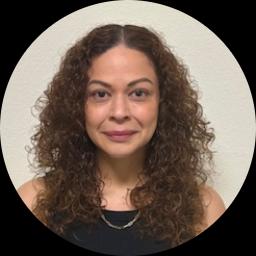
Linda Mandozai is an LMFT - Licensed Marriage and Family Therapist in California with 17 years of clinical experience. She speaks English and Spanish and lists stress, anxiety, trauma and abuse, self-esteem, and depression among the concerns she addresses. Linda notes experience helping people with mood-related struggles and related issues such as panic and attachment difficulties.
She trained in clinical psychology, completing a master’s degree at Pepperdine University after earning a bachelor’s from UCLA. Linda uses Cognitive Behavioral Therapy as a core method and applies trauma-informed practices to help people manage symptoms linked to traumatic events. Sessions focus on practical steps for reducing distress and breaking unhelpful thought patterns.
In sessions she helps people name and track strong feelings, identify behaviors that keep problems going, and test new ways of responding. She also works on practical skills for anxiety and panic, and on issues around abandonment, communication problems, and guilt or shame. Conversations aim to be direct and focused on what feels most urgent to the person seeking help.
Linda offers work in both English and Spanish and understands how stress from caregiving, relationship splits, and life changes can affect mood. She uses clear exercises and homework between appointments when helpful. The approach is structured and goal-oriented, with attention to trauma responses and everyday coping.
To start, prospective clients complete a short matching questionnaire and schedule a first session. The practice uses a subscription model for sessions that can be canceled at any time, and costs vary by location.
Therapeutic approaches and working online
Linda uses Cognitive Behavioral Therapy to help people notice patterns of thinking that increase anxiety and low mood, and to practice alternative responses that reduce symptoms. CBT focuses on clear steps and exercises that can be used between sessions to build new habits and ease distress.She also applies trauma-informed methods to recognize how past events affect current reactions. That approach looks at safety, grounding skills, and gradual processing so people can manage symptoms like panic or hypervigilance while making progress at a steady pace.
Finding the right combination of techniques is part of the work. Linda will collaborate with each person to select methods that fit their goals, preferences, and what feels manageable. The plan can change as progress unfolds, and choices are made together rather than imposed.
Session formats are not specified in the biography, so confirm current options before booking. Online therapy can make it easier to fit appointments into a weekly routine, reduce travel time, and allow for shorter check-ins when schedules are tight. It can also let people join sessions without needing to be on camera if they prefer, or choose the option that best matches their day-to-day life.
Areas of expertise
Primary focus
Additional focus areas
Experience
17+ years
Credentials
California
Languages
English, Spanish
Frequently asked questions
What concerns does she help with?
Linda works with stress, anxiety, depression, trauma and related mood issues including panic and attachment concerns.
What is her therapeutic style?
She uses Cognitive Behavioral Therapy and trauma-informed practices focused on practical skills and changing unhelpful thoughts and behaviors.
How much clinical experience does she have?
She has 17 years of professional clinical experience as a therapist in California.
What are her credentials and where is she based?
She is an LMFT - Licensed Marriage and Family Therapist licensed in California.
Does she offer sessions in other languages?
Sessions are offered in English and Spanish.
Can international clients work with her?
She is not accepting international clients at this time.
How are sessions paid for and what do they cost?
Sessions use a subscription billing model that can be canceled at any time; costs vary depending on location.
How do I begin working with her?
Start by selecting the See online therapy options button, completing a short matching questionnaire, and then scheduling a first session.
Before you reach out
- Check that the state license on record covers the state you live in.
- You do not need a diagnosis or the right words. Saying "my mood has been up and down" or "I have felt low for weeks" is a fine place to start.
- Counselors offer talking support. Questions about medication belong with a doctor or psychiatrist, and the two can go side by side.
- A profile shows the topics a counselor lists; it is not a diagnosis or a promise of any result.
If you feel unsafe right now, call or text 988, or call 911.