- Client-Centered Therapy
- Cognitive Behavioral Therapy
- Emotionally-Focused Therapy
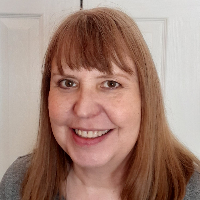
About Lisa
Lisa Daly is a Licensed Clinical Social Worker (LCSW) in Missouri and an LSCSW in Kansas with 19 years of experience helping people with stress, anxiety, depression, relationship concerns, grief, and mood-related issues. She uses a client-centered stance and listens carefully before offering options that fit each person's situation. Her work covers a broad range of concerns including OCD, addictions, parenting strain, midlife changes, and mood disorders.
She starts by asking questions and hearing the person's story. That first focus on listening guides how she proposes ways to cope. Sessions often involve clear, practical steps to manage symptoms and improve communication in important relationships.
Lisa draws on cognitive behavioral techniques to identify unhelpful thinking patterns and try different behaviors. She also uses emotionally focused ideas to help people notice and name feelings in relational problems. Solution-focused tools are used when someone wants brief, goal-oriented work to address a specific problem.
An existential perspective shows up when clients are wrestling with meaning, life purpose, or transitions. Trauma-focused ideas inform work with people who have distress from past events. Her client-centered emphasis means choices about pace and methods are discussed together.
She is straightforward about referrals when a need falls outside her scope. Sessions use a subscription that can be canceled at any time. People who want to begin are asked to complete a short matching questionnaire and schedule a first session through the See online therapy options button.
How her approaches are used in online sessions
Lisa commonly uses client-centered work, cognitive behavioral therapy, and emotionally-focused techniques in her practice. Client-centered work means she listens closely and helps people choose options that feel right for their situation. Cognitive behavioral therapy looks at thoughts and behaviors and tests small changes to reduce distress. Emotionally-focused ideas help people name feelings and improve how they communicate in relationships.Finding the right approach is part of the process. She will talk with each person about their goals and preferences and decide together which methods to try. That collaborative planning can include short-term, goal-focused steps or deeper work on patterns that keep causing trouble.
The practical benefits of doing therapy online include fitting sessions into a busy schedule and keeping work brief and focused when needed. If you want to know which session formats are offered, confirm the current options before booking. Online work can make it easier to have regular appointments and to try new ways of coping without reorganizing your whole day.
Areas of expertise
Primary focus
Also works with
Additional focus areas
Therapeutic approaches
Experience
19+ years
Credentials
Missouri, Kansas
Languages
English
Frequently asked questions
What concerns does she address?
She works with stress, anxiety, depression, mood disorders, grief, relationship conflict, OCD, addictions, parenting strain, and related issues.
What methods does she use in sessions?
Her approach is client-centered and draws on CBT, emotionally-focused techniques, solution-focused work, existential ideas, and trauma-informed strategies.
How much experience does she have?
She has 19 years of clinical experience providing therapy to adults with a range of mood and relationship concerns.
What are her credentials and where is she based?
She is a Licensed Clinical Social Worker (LCSW) in Missouri and an LSCSW in Kansas, practicing from Missouri.
Which languages are supported?
Sessions are offered in English.
Does she work with international clients?
She does not accept international clients at this time.
How does payment work?
Session cost varies with location and uses a subscription model that can be canceled at any time.
How do I begin a first session?
Click the See online therapy options button, complete a short matching questionnaire, and schedule your first session.
Before you reach out
- Check that the state license on record covers the state you live in.
- You do not need a diagnosis or the right words. Saying "my mood has been up and down" or "I have felt low for weeks" is a fine place to start.
- Counselors offer talking support. Questions about medication belong with a doctor or psychiatrist, and the two can go side by side.
- A profile shows the topics a counselor lists; it is not a diagnosis or a promise of any result.
If you feel unsafe right now, call or text 988, or call 911.