- Depression support
- Trauma recovery
- Addiction help
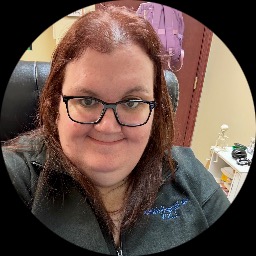
About Lisa
Lisa Halligan-Heckathorn is an Ohio LISW with five years of clinical experience. She focuses on mood concerns such as depression and mood disorders, and she works with people dealing with anxiety, stress, trauma, and addictions. Sessions are described as collaborative and practical.
Halligan-Heckathorn spent much of her early practice in rehabilitation settings and independent practice. She has supported people through grief, major life transitions, and substance use issues. She also offers an inclusive approach for LGBT clients and helps with identity and relationship concerns.
Her way of working centers on evidence-based therapeutic techniques. She helps people build coping skills, handle panic, and manage seasonal shifts in mood. She also addresses attachment issues, caregiver stress, and communication problems.
She helps people process traumatic experiences and works with those affected by domestic violence, sexual assault, or other abuse. Practical strategies for reducing shame, increasing self-acceptance, and improving day-to-day functioning are part of sessions.
Halligan-Heckathorn aims for honest and direct conversations rather than formal interrogation. She uses plain language, occasional humor, and real-life examples to make techniques understandable. The goal is steady progress on specific problems, not vague promises.
To begin, prospective clients complete a short matching questionnaire and schedule a first session. Fees vary by location and use a subscription model that can be canceled at any time.
Therapeutic approaches and online sessions
Lisa Halligan-Heckathorn uses evidence-based therapeutic techniques to address mood, anxiety, and trauma. One approach focuses on building practical coping skills to manage day-to-day mood swings and panic; this involves practicing concrete strategies and tracking small changes over time. Another approach works on processing traumatic events and related emotional responses through structured discussion and gradual exposure to difficult memories, which can reduce the intensity of distressing reactions.Finding the right approach is part of the work. She will collaborate with each person to choose techniques that match their needs, goals, and preferences. That may mean trying different methods and adjusting plans so sessions are useful and realistic for everyday life.
Confirm current session options before booking, as formats are not specified in the biography. Many people find online sessions help fit therapy into a busy schedule, permit shorter check-ins during a break, and reduce travel time. If you want to proceed, complete the short matching questionnaire and schedule a first session to discuss which approaches and formats will work best for you.
Areas of expertise
Primary focus
Additional focus areas
Experience
5+ years
Credentials
Ohio
Languages
English
Frequently asked questions
What kinds of mood concerns does she address?
She works with low mood, depression, mood disorders, seasonal affective shifts, and related issues such as isolation and low self-worth.
What is her therapeutic style?
The approach is collaborative and grounded in evidence-based techniques focused on coping skills, communication, and processing difficult experiences.
How much clinical experience does she have?
She has five years of clinical experience, including work in rehabilitation settings and independent practice.
What credential does she hold and where is she based?
She holds an LISW credential and practices in Ohio.
Which languages are sessions offered in?
Sessions are offered in English.
Can people from other countries work with her?
She does not accept international clients at this time.
How are sessions paid for?
Costs vary by location and sessions use a subscription model that can be canceled at any time.
How do I begin working with her?
Use the See online therapy options button, complete a short matching questionnaire, and then schedule your first session.
Before you reach out
- Check that the state license on record covers the state you live in.
- You do not need a diagnosis or the right words. Saying "my mood has been up and down" or "I have felt low for weeks" is a fine place to start.
- Counselors offer talking support. Questions about medication belong with a doctor or psychiatrist, and the two can go side by side.
- A profile shows the topics a counselor lists; it is not a diagnosis or a promise of any result.
If you feel unsafe right now, call or text 988, or call 911.