- Depression and anxiety
- Trauma and abuse
- Family dynamics
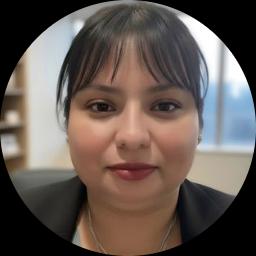
About Lisa
Lisa Mendoza is an LPCC - Licensed Professional Clinical Counselor in Minnesota with 14 years of practice. She works with people who struggle with depression, anxiety, stress, trauma and substance use concerns. She also addresses family-related problems and the effects of past abuse.
She helps clients sort out attachment patterns and abandonment concerns. She also supports people dealing with blended family issues, caregiver stress, and codependency. Conversations often focus on practical steps that reduce day-to-day overwhelm and improve communication within important relationships.
Mendoza pays attention to how people’s life stories shape their reactions now. Sessions typically look at family of origin issues, control and commitment worries, and how past losses affect current mood. She uses techniques drawn from evidence-based therapeutic methods to help people process painful memories and build coping skills.
She works with women on postpartum difficulties and survivors of sexual assault, and she helps people navigate divorce, separation, and recovery from domestic violence. Substance use and addiction are areas she addresses alongside other concerns like grief and workplace stress.
Sessions are offered in English and Spanish. People in Minnesota can expect a clinician who focuses on clear goals, straightforward strategies, and steady practical support when mood is low or life feels unmanageable.
Approaches used online and how they help
She draws on evidence-based techniques that help with mood swings and long low periods. One common approach focuses on identifying unhelpful thought patterns and testing them with real-life experiments to reduce persistent worry and low mood. This method helps people notice thinking habits that keep them stuck and find clearer, more balanced ways to respond.Another approach emphasizes processing difficult memories in manageable steps so memories and emotions become less disruptive. This helps when past abuse, attachment wounds, or traumatic events continue to affect daily mood and relationships.
Choosing the right approach is collaborative. The therapist will work with the client to decide which methods match their goals, symptoms, and comfort level. That choice can change as therapy progresses, and adjustments are made together based on what helps most.
Session formats are not specified in the biography, so confirm current session options before booking. Online sessions can make it easier to fit therapy into busy days, reduce travel time, and allow shorter check-ins when schedules are tight. Therapists can also adapt techniques so work done between sessions fits into everyday life without requiring long, frequent appointments.
Areas of expertise
Primary focus
Additional focus areas
Experience
14+ years
Credentials
Minnesota
Languages
English, Spanish
Frequently asked questions
What kinds of problems does she address?
She works with depression, anxiety, stress, trauma, substance use, and many family-related concerns such as blended family issues and communication problems.
What is her therapeutic style?
Her style is practical and focused. She uses evidence-based techniques to process past wounds and build coping skills for daily life.
How much experience does she have?
She has 14 years of clinical experience working with mood concerns, trauma, and addiction-related issues.
What credentials and location are listed?
She is an LPCC - Licensed Professional Clinical Counselor, practicing in Minnesota.
Which languages are supported in sessions?
Sessions are offered in English and Spanish.
Can international clients work with her?
She does not accept international clients at this time.
How are sessions priced?
Cost varies with location; sessions use a subscription that can be canceled at any time.
How do I begin working with her?
Select the See online therapy options button, complete a short matching questionnaire, and schedule a first session.
Before you reach out
- Check that the state license on record covers the state you live in.
- You do not need a diagnosis or the right words. Saying "my mood has been up and down" or "I have felt low for weeks" is a fine place to start.
- Counselors offer talking support. Questions about medication belong with a doctor or psychiatrist, and the two can go side by side.
- A profile shows the topics a counselor lists; it is not a diagnosis or a promise of any result.
If you feel unsafe right now, call or text 988, or call 911.