- Depression and anxiety
- Parenting support
- CBT and EFT methods
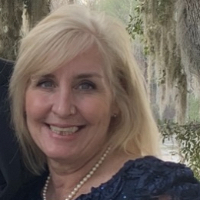
About Lori
Dr. Lori Malkasian is an LMFT (Licensed Marriage and Family Therapist) practicing in South Carolina with 20 years of experience. She focuses on concerns such as depression, anxiety, anger, parenting challenges, and coping with life changes. Her work also covers areas like addiction, ADHD, bipolar concerns, grief, and relationship difficulties.
She meets people who feel stuck, overwhelmed, or unsure how to handle big changes. Sessions are conversational and practical. She listens for the patterns that make problems repeat and helps people notice small shifts they can try between visits.
Her approach mixes client-centered conversation with tools from cognitive behavioral therapy and emotion-focused work. Mindfulness and narrative techniques are added when they fit a person’s goals. That means some sessions work on thoughts and behavior, while others look at feelings and the stories people tell about themselves.
Dr. Malkasian has particular experience supporting parents, adolescents, and adults as they handle school, family tension, or changes linked to adoption and blended families. She also addresses issues tied to trauma, dissociation, isolation, and the stress veterans and service members can face.
Many people come to her wanting direct strategies for day-to-day coping and clearer communication with others. She helps identify steps you can try right away and checks in on what works. If you are weighing therapy options, she asks about your priorities and makes a practical plan for moving forward.
How her approaches translate to online work
Dr. Malkasian uses client-centered therapy and cognitive behavioral therapy (CBT) in much of her work. Client-centered therapy focuses on listening and reflecting so people can clarify what matters to them, which helps when mood shifts make decisions feel harder. CBT looks at the link between thoughts, behaviors, and mood and offers concrete techniques for reducing worry or low mood.She also uses emotionally-focused therapy (EFT) to help people name and work with strong feelings in relationships. EFT can be useful when anger, grief, or connection problems are part of what brings someone to therapy. Together the approaches aim to combine practical tools with space to understand feelings and relationship patterns.
Finding the right approach is part of the process. She will collaborate with each person to pick methods that match their goals, needs, and preferences. That collaboration can include trying different techniques and adjusting plans as progress is tracked.
The original biography does not list which online session formats are offered, so confirm current options before booking. Online work can make it easier to fit sessions into a busy week, shorten check-ins when needed, or avoid travel time. Therapists commonly adapt exercises and homework to suit a person’s daily life so change feels manageable rather than overwhelming.
Areas of expertise
Primary focus
Also works with
Additional focus areas
Therapeutic approaches
Experience
20+ years
Credentials
South Carolina
Languages
English
Frequently asked questions
What concerns does she address?
She works with depression, anxiety, anger, parenting challenges, coping with life changes, addictions, ADHD, bipolar concerns, grief, and relationship and family issues.
What is her therapeutic style?
Her style blends client-centered conversation with practical tools from cognitive behavioral therapy, emotionally-focused work, mindfulness, and narrative techniques.
How much experience does she have?
She has 20 years of clinical experience working with adolescents and adults on a range of mood and family related concerns.
What are her credentials and location?
She is an LMFT licensed in South Carolina and practices from that state.
What languages are supported?
Sessions are offered in English and she accepts international clients.
Which session formats are available?
The original biography does not list specific session formats. Please confirm current session options before booking.
How much do sessions cost?
Cost varies with location and sessions use a subscription that can be canceled at any time.
How do I begin working with her?
Select the See online therapy options button, complete the short matching questionnaire, and schedule a first session.
Before you reach out
- Check that the state license on record covers the state you live in.
- You do not need a diagnosis or the right words. Saying "my mood has been up and down" or "I have felt low for weeks" is a fine place to start.
- Counselors offer talking support. Questions about medication belong with a doctor or psychiatrist, and the two can go side by side.
- A profile shows the topics a counselor lists; it is not a diagnosis or a promise of any result.
If you feel unsafe right now, call or text 988, or call 911.