- CBT
- Mindfulness therapy
- Motivational interviewing
About Lucritia
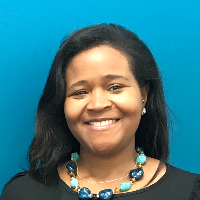
Lucritia (Ann) Sayles is a Licensed Independent Mental Health Practitioner (LIMHP) in Nebraska with 14 years of experience. She works with people facing stress, anxiety, depression, mood swings, grief, relationship problems, and related concerns. She also helps with addiction issues, sleep and eating concerns, and the strain of caregiving.
Ann takes a straightforward, conversational style in sessions. She listens first and helps people identify what feels most urgent. Then she and the client pick practical steps to try, such as changing unhelpful thoughts, testing new behaviors, or practicing focused breathing and attention skills.
Her work draws on multiple approaches. Cognitive Behavioral Therapy (CBT) is used to spot and shift patterns of thinking that keep moods low. Client-Centered methods guide how she follows a person's lead and priorities. Mindfulness practices are offered when present-moment awareness can reduce worry or reactivity.
She also uses motivational interviewing to support people who want to change behaviors, and psychodynamic ideas to look at long-standing patterns that affect mood and relationships. Ann often blends these methods rather than using just one model.
Ann has experience supporting adults from diverse cultural backgrounds and people dealing with trauma, panic, paranoia, and identity issues. Sessions focus on clear, manageable steps and understanding what gets in the way of feeling steadier. If someone is unsure about next steps, she invites a short initial conversation to outline options and priorities.
How Ann uses her approaches in remote sessions
Ann commonly uses Cognitive Behavioral Therapy to help people notice thought patterns that fuel low mood and then try small experiments to change them. CBT is practical and works well for anxiety, depression, and panic symptoms.She also offers Mindfulness Therapy to teach simple attention and breathing practices that reduce reactivity and help with sleep and worry. Client-Centered Therapy guides how she follows a person's priorities, listening closely and shaping sessions around what matters most to the client.
Finding the right approach is part of the work. Ann will discuss options and help decide which methods fit a person's goals, needs, and preferences. That choice is collaborative and can shift over time as things change.
The original biography did not list specific session formats. Please confirm current online session options before booking. Online sessions can make it easier to fit therapy into a busy week, shorten transit time, or allow shorter check-ins when needed. They also let people connect from different time zones when international arrangements are required.
Areas of expertise
Primary focus
Also works with
Additional focus areas
Therapeutic approaches
Experience
14+ years
Credentials
Nebraska
Languages
English
Frequently asked questions
What concerns does she help with?
She works with stress, anxiety, depression, mood disorders, grief, addictions, relationship and family issues, trauma, sleep and eating concerns, and related struggles.
What methods does she use in sessions?
She draws on Client-Centered Therapy, Cognitive Behavioral Therapy, Mindfulness Therapy, Motivational Interviewing, and Psychodynamic Therapy and blends them to suit the client's needs.
How long has she been practicing?
She has 14 years of clinical experience working with adults on mood, trauma, and stress-related concerns.
What credential does she hold and where is she based?
She is a LIMHP - Licensed Independent Mental Health Practitioner - practicing in Nebraska.
Are sessions offered in other languages or internationally?
Sessions are offered in English and she does accept international clients.
What session formats are available?
The original biography does not list specific session formats; please confirm current session options before booking.
How is cost handled?
Cost varies with location and sessions use a subscription that can be canceled at any time.
How do I begin working with her?
Use the See online therapy options button, complete the short matching questionnaire, and schedule a first session.
Before you reach out
- Check that the state license on record covers the state you live in.
- You do not need a diagnosis or the right words. Saying "my mood has been up and down" or "I have felt low for weeks" is a fine place to start.
- Counselors offer talking support. Questions about medication belong with a doctor or psychiatrist, and the two can go side by side.
- A profile shows the topics a counselor lists; it is not a diagnosis or a promise of any result.
If you feel unsafe right now, call or text 988, or call 911.