- Cognitive Behavioral Therapy
- Mindfulness practice
- Client-centered approach
About Lydia
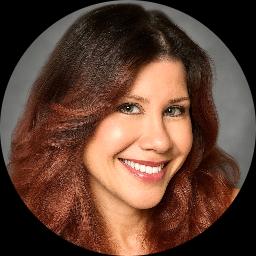
Lydia Antonatos, FL LMHC, has 15 years of experience in mental health and human services. She works with adults dealing with anxiety, depression, chronic stress, low self-esteem, life transitions, substance use, and mood disorders. Lydia is bilingual in English and Spanish and has experience serving Hispanic and Latinx communities.
She trained in mental health counseling at Nova Southeastern University and has worked across crisis lines, social services, community clinics, non-profits, and hospital outpatient programs. That range exposed her to many common problems people bring into therapy, from panic and mood swings to relationship stress and financial strain.
In sessions she uses straightforward, skills-based methods. Cognitive Behavioral Therapy helps people spot unhelpful thoughts and test new behaviors. Client-Centered Therapy focuses on listening and following what the person says matters most. Mindfulness methods teach simple attention practices to manage intense feelings.
Lydia also draws on solution-focused techniques when clients want short-term tools and clear steps. She helps people build practical plans for coping, managing anger, and reducing substance-related harm. She explains techniques in plain terms and practices them together during sessions.
Her bilingual ability means she can work in English or Spanish. Lydia’s background in community and hospital settings means she understands how life stress, guilt, and social pressures affect mood. Prospective clients should confirm current session options and scheduling before booking.
How her approaches translate to online sessions
Lydia works with Cognitive Behavioral Therapy and Mindfulness methods that adapt well to remote appointments. CBT focuses on identifying unhelpful thoughts and testing different behaviors; online sessions can include homework, thought records, and step-by-step behavioral experiments. Mindfulness Therapy teaches short attention and breathing practices to manage strong emotions and stress, and these exercises can be practiced together during a remote meeting.She also uses Client-Centered Therapy, which prioritizes listening and following the person's concerns. Finding the best mix of approaches is collaborative: the therapist and client discuss goals, try methods, and adjust what they focus on over time to match needs and preferences.
Confirm current session formats before booking, as session options are not specified here. Online work can make it easier to fit sessions into a busy schedule, reduce travel time, and allow brief check-ins when a shorter appointment is helpful. Ask about language options and scheduling when you arrange a session so practical details match your routine.
Areas of expertise
Primary focus
Also works with
Additional focus areas
Therapeutic approaches
Experience
15+ years
Credentials
Florida
Languages
English, Spanish
Frequently asked questions
What concerns does she help with?
She works with adults who face anxiety, depression, mood disorders including bipolar mood concerns, stress, low self-esteem, anger, substance use, and life changes.
What methods does she use in sessions?
She uses Client-Centered Therapy, Cognitive Behavioral Therapy, Mindfulness, and Solution-Focused techniques to teach practical skills and coping steps.
How much experience does she have?
She has 15 years of experience in human services and mental healthcare across crisis lines, community clinics, non-profits, and hospital outpatient programs.
What are her credentials and where is she based?
She is a Florida Licensed Mental Health Counselor (FL LMHC) practicing from Florida.
Can I work with her in another language?
Sessions are offered in English and Spanish.
Does she work with international clients?
She does not accept international clients at this time.
How does payment and cost work?
Cost varies with location and sessions use a subscription that can be canceled at any time.
How do I get started with a first session?
Select the See online therapy options button, complete a short matching questionnaire, and schedule a first session.
Before you reach out
- Check that the state license on record covers the state you live in.
- You do not need a diagnosis or the right words. Saying "my mood has been up and down" or "I have felt low for weeks" is a fine place to start.
- Counselors offer talking support. Questions about medication belong with a doctor or psychiatrist, and the two can go side by side.
- A profile shows the topics a counselor lists; it is not a diagnosis or a promise of any result.
If you feel unsafe right now, call or text 988, or call 911.