- Cognitive Behavioral Therapy
- Solution-Focused Therapy
- Mood disorders focus
About Magna
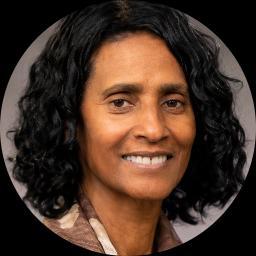
Dr. Magna Porterfield is a psychologist licensed in Georgia and Alabama with 30 years of clinical experience. She focuses on depression, anxiety, stress, grief, anger, self-esteem, career issues and mood disorders. She works with adults who are looking to make practical changes in how they feel and act.
Porterfield spent time in university settings as a teacher and counselor and has also worked in independent practice. She has delivered lectures and workshops and brings that broad experience into one-on-one work. Her background includes longterm work with unipolar depression and anxiety, and many clients have sought her help for managing stress and strong emotions.
Her style is straightforward and honest while remaining kind. She prefers practical work over long explorations of childhood or past trauma. Sessions focus on concrete steps a person can take in the present to reduce symptoms and improve daily functioning.
Dr. Porterfield uses ideas from cognitive behavioral therapy to show how thoughts influence feelings and behavior. She also considers lifestyle factors such as sleep, exercise and diet when looking at mood and energy. Positive psychology concepts appear in her work to help clients identify and build on strengths.
She expects active effort from the people she sees and encourages regular practice between sessions. For those who want clear strategies and measurable changes, she aims to help clients develop skills they can use outside the therapy room.
Therapeutic approaches and online sessions
Dr. Porterfield uses cognitive behavioral therapy to help people notice and change unhelpful thoughts and behaviors. CBT is often used for depression and anxiety and focuses on practical skills and short-term strategies to reduce symptoms. She also uses solution-focused therapy, which emphasizes small, achievable goals and steps that build momentum. This approach helps people identify what is already working and expand on those strengths to address current problems. Finding the right approach is part of the work. She will collaborate with each person to choose methods that match their goals, needs and preferences. That might mean emphasizing thought-work, setting clear behavioral experiments, or working on daily habits like sleep and exercise. Session formats are not listed in the original biography, so confirm the available online options before booking. Online sessions can make it easier to fit therapy into a busy life, allow shorter check-ins when needed, and remove travel time. Many people find that meeting remotely helps them keep appointments around work, caregiving, or travel without losing the therapeutic focus.Areas of expertise
Also works with
Additional focus areas
Therapeutic approaches
Experience
30+ years
Credentials
Alabama, Georgia
Languages
English
Frequently asked questions
What concerns does she address?
She works with stress, anxiety, grief, depression, mood disorders, anger, self-esteem and career concerns.
What is her therapy style like?
Her approach is straightforward and practical, focusing on present-day steps rather than lengthy exploration of the past.
How many years of experience does she have?
She has 30 years of experience in university settings, independent practice, and delivering workshops and lectures.
What credentials and location are listed?
She is listed as GA Psychologist PSY001839 and AL Psychologist 1971 and practices from Georgia.
Are sessions offered in other languages or internationally?
Sessions are offered in English and she accepts international clients.
What session formats are available?
The original biography does not list specific session formats; confirm current session options before booking.
How do costs work?
Cost varies with location and sessions use a subscription that can be canceled at any time.
How do I begin working with her?
Select the See online therapy options button, complete a short matching questionnaire, and schedule a first session.
Before you reach out
- Check that the state license on record covers the state you live in.
- You do not need a diagnosis or the right words. Saying "my mood has been up and down" or "I have felt low for weeks" is a fine place to start.
- Counselors offer talking support. Questions about medication belong with a doctor or psychiatrist, and the two can go side by side.
- A profile shows the topics a counselor lists; it is not a diagnosis or a promise of any result.
If you feel unsafe right now, call or text 988, or call 911.