- Cognitive behavioral techniques
- Attachment-based work
- Client-centered focus
About Nanine
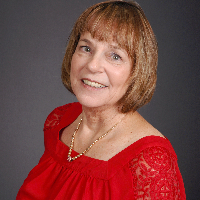
Nanine "Marie" Dickson is a Licensed Professional Counselor (LPC) and Licensed Mental Health Counselor (LMHC) with 12 years of clinical counseling experience. She works with adults who are struggling with mood swings, long low periods, irritability, and other mood-related concerns including depression, anxiety, and seasonal changes.
Marie draws on practical, straightforward methods in sessions. She uses cognitive behavioral techniques to help people notice thought patterns that influence mood. She also uses client-centered and attachment-based ideas to explore how relationships and personal history affect feelings and choices.
Marie trained with a master’s degree in Education and Counseling and brings a background in education to her clinical work. That experience shapes a focus on skills people already have and on clear next steps rather than abstract theory.
Sessions tend to focus on what a person can do now to feel steadier. Conversations include identifying strengths, clarifying options, and practicing small behavior changes. Marie emphasizes helping people recognize choices that affect their work, relationships, and daily life.
People seeking support for anger, grief, parenting strain, caregiver stress, addiction concerns, ADHD, or mood disorders will find a practical style. She also addresses first responder and veteran issues, postpartum mood changes, and feelings of emptiness. The approach is aimed at helping adults gain clearer perspective and manageable steps forward.
How her approaches translate to online work
Online sessions use approaches that focus on thoughts, relationships, and practical steps. Cognitive Behavioral Therapy helps people notice unhelpful thoughts and test small behavior changes to lift mood and reduce anxiety. Client-centered work emphasizes the person's own goals and perspective, offering space to talk through choices that matter in daily life. Attachment-based ideas look at how early and current relationships shape reactions and coping styles, which can be useful when addressing mood swings and relationship stress.Finding the right mix of approaches is part of the process. The therapist will work collaboratively to pick methods that match a person's concerns, goals, and preferences. Together they will try exercises or plans and adjust them based on what helps most.
Confirm session formats before booking because the biography does not list them. Online sessions can make it easier to fit therapy into a busy day, allow shorter check-ins when needed, and reduce travel time. These practical benefits help people maintain consistency and build skills that carry into everyday life.
Areas of expertise
Primary focus
Also works with
Additional focus areas
Therapeutic approaches
Experience
12+ years
Credentials
Texas, Washington
Languages
English
Frequently asked questions
What concerns does she help with?
She helps adults with depression, anxiety, mood disorders, and related issues such as grief, anger, and addiction.
What methods does she use in sessions?
She uses cognitive behavioral approaches along with client-centered and attachment-based ideas and solution-focused techniques to identify practical steps.
How much clinical experience does she have?
She has 12 years of clinical counseling experience and prior work in education that informs her approach.
What are her credentials and where is she based?
She holds LPC and LMHC credentials and practices from Texas.
Does she work in other languages or with international clients?
Sessions are offered in English and she is not currently accepting international clients.
What session formats are available?
Please confirm current session options before booking since formats are not specified in the biography.
How are session costs handled?
Cost varies with location and sessions use a subscription that can be canceled at any time.
How do I begin scheduling a session?
Select the See online therapy options button, complete a short matching questionnaire, and schedule a first session.
Before you reach out
- Check that the state license on record covers the state you live in.
- You do not need a diagnosis or the right words. Saying "my mood has been up and down" or "I have felt low for weeks" is a fine place to start.
- Counselors offer talking support. Questions about medication belong with a doctor or psychiatrist, and the two can go side by side.
- A profile shows the topics a counselor lists; it is not a diagnosis or a promise of any result.
If you feel unsafe right now, call or text 988, or call 911.