- EMDR
- Depression
- Self esteem
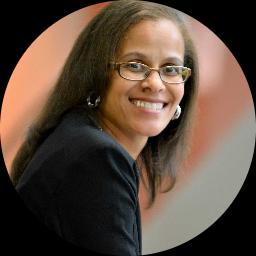
About Marshawna
Marshawna Hoyte is an Ohio LPCC with 11 years of professional experience. She works with people who are struggling with stress, anxiety, low mood, relationship challenges, and self-esteem concerns. Her practice also addresses parenting stress, grief, trauma and abuse, and mood disorders including seasonal affective disorder.
She frames sessions as practical conversations. Marshawna listens to the problems brought in and helps people build clearer ways to cope. She adapts the pace and focus to an individual’s needs, whether that means shorter check-ins or working through deeper issues over time.
EMDR, or Eye Movement Desensitization and Reprocessing, is part of her toolbox for processing traumatic memories and related distress. She uses this alongside talking-based work to help people reduce the intensity of upsetting memories and improve day-to-day functioning.
Her experience includes helping people manage anger, compassion fatigue, feelings of abandonment, and isolation. She also supports clients facing guilt, shame, questions about life purpose, and challenges tied to fatherhood or parenting roles.
Marshawna works in English and practices in Ohio. She asks new clients to complete a short matching questionnaire and then schedule a first session. Sessions use a subscription model that can be canceled at any time, and fees vary depending on location.
Therapeutic approaches and online sessions
Marshawna uses Eye Movement Desensitization and Reprocessing (EMDR) in her work. EMDR involves guided eye movements or similar bilateral stimulation while recalling distressing memories. It is intended to help reduce the emotional charge of those memories and can be used for trauma related symptoms.She combines EMDR with structured talk-based work. That talk-based work focuses on building practical coping skills, improving communication, and addressing mood symptoms like depression and anxiety. Together these methods aim to address both the memories that cause distress and the day-to-day routines that keep someone stuck.
Choosing the right approach is part of the work she does with each person. She will discuss options and help decide what fits the client’s goals and preferences in a collaborative way. That conversation shapes whether EMDR, focused skill work, or a mix of both is used.
Confirm the available session formats before booking, as the profile does not list specific formats. Online sessions can make it easier to fit therapy into a busy life by avoiding travel and allowing shorter check-ins when needed. They can also reduce the time lost to appointments and help maintain continuity of care when schedules are tight.
Areas of expertise
Primary focus
Also works with
Additional focus areas
Therapeutic approaches
Experience
11+ years
Credentials
Ohio
Languages
English
Frequently asked questions
What kinds of concerns does she help with?
She helps people with stress, anxiety, depression, low self-esteem, relationship problems, grief, trauma and parenting strain.
What methods does she use in sessions?
She uses talk therapy approaches and Eye Movement Desensitization and Reprocessing (EMDR) as part of her work when appropriate.
How much experience does she have?
Marshawna has 11 years of professional experience working with the concerns listed in her profile.
What are her credentials and where does she practice?
She is an Ohio LPCC and practices in Ohio.
Which languages are supported?
Sessions are offered in English.
Can people outside the United States work with her?
She does not accept international clients at this time.
How are sessions paid for and what does it cost?
Sessions use a subscription that can be canceled at any time and fees vary with location.
How do I begin the process of working together?
Click the See online therapy options button, complete a short matching questionnaire, and schedule a first session.
Before you reach out
- Check that the state license on record covers the state you live in.
- You do not need a diagnosis or the right words. Saying "my mood has been up and down" or "I have felt low for weeks" is a fine place to start.
- Counselors offer talking support. Questions about medication belong with a doctor or psychiatrist, and the two can go side by side.
- A profile shows the topics a counselor lists; it is not a diagnosis or a promise of any result.
If you feel unsafe right now, call or text 988, or call 911.