- Depression support
- Anxiety and stress
- Caregiver issues
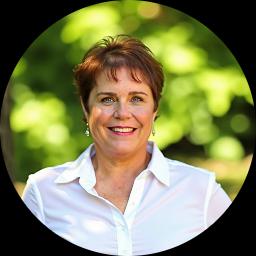
About Mary
Mary Albright is a Licensed Clinical Social Worker (LCSW) in Missouri with 40 years of experience. She focuses on depression, anxiety, stress, relationship concerns, family issues, and compassion fatigue as described in her profile. She works with adults facing ongoing low mood, periods of irritability, or ups and downs in their everyday life.
Mary helps people talk through difficult emotions and the situations that keep them stuck. She supports those dealing with grief, adjustment to change, and the practical strain of caregiving or chronic illness. She also addresses communication problems, codependency, and the stress that comes from workplace or role pressures.
Her practice includes attention to attachment patterns and family-of-origin influences that shape how people relate now. She has experience with adoption and foster care questions, blended family challenges, and issues that arise around separation and divorce. She also works with concerns related to substance use and co-occurring problems.
Across decades of work she has helped older adults face aging and end-of-life concerns and supported people affected by cancer or chronic health conditions. She pays attention to how physical illness and mood interact and what that means for day-to-day functioning. Her clinical background includes helping those with disruptive mood patterns such as Disruptive Mood Dysregulation Disorder when relevant to adult care needs.
Mary aims for practical sessions that focus on clear next steps. New clients complete a short matching questionnaire and then schedule a first session. Payment uses a subscription that can be canceled at any time, and readers should confirm current session options before booking.
Evidence-informed approaches and how online sessions work
Mary uses a mix of evidence-based therapeutic techniques that focus on mood and relationship patterns. Cognitive approaches look at how thoughts affect feelings and behavior and help people try small, practical changes to shift low mood or anxiety. Attachment-focused work examines how past relationship patterns influence current interactions and helps people try new ways of connecting and setting boundaries.Finding the right approach is part of the process. Mary will work with clients to identify which techniques fit their goals and day-to-day needs, and she adjusts methods based on progress and feedback. The work is collaborative and aims to produce practical skills and clearer next steps.
Confirm current session formats before booking, as the biography does not list them explicitly. Online work can make it easier to fit therapy into a busy life, whether someone needs a shorter check-in between obligations, prefers not to commute, or wants to manage sessions around caregiving or medical appointments. Many people find it helps keep momentum between sessions and allows consistent access to a licensed professional without changing other routines.
Areas of expertise
Primary focus
Additional focus areas
Experience
40+ years
Credentials
Missouri
Languages
English
Frequently asked questions
What concerns does she focus on?
She focuses on depression, anxiety, stress, relationship and family issues, and compassion fatigue, plus related topics like caregiver stress and chronic illness.
What is her therapeutic style?
She uses evidence-based therapeutic techniques and works collaboratively to identify practical steps and coping strategies for everyday life.
How much experience does she have?
Mary has 40 years of clinical experience working with adults across a wide range of mood and life challenges.
What credentials and location apply?
She is an LCSW licensed in Missouri and practices with that credential in the state.
Which languages are supported?
Sessions are offered in English.
Does she work with international clients?
She does not accept international clients at this time.
How much do sessions cost?
Cost varies with location and sessions use a subscription model that can be canceled at any time.
How do I get started?
Select the See online therapy options button, complete the short matching questionnaire, and schedule a first session.
Before you reach out
- Check that the state license on record covers the state you live in.
- You do not need a diagnosis or the right words. Saying "my mood has been up and down" or "I have felt low for weeks" is a fine place to start.
- Counselors offer talking support. Questions about medication belong with a doctor or psychiatrist, and the two can go side by side.
- A profile shows the topics a counselor lists; it is not a diagnosis or a promise of any result.
If you feel unsafe right now, call or text 988, or call 911.