- Client-Centered Therapy
- Cognitive Behavioral Therapy
- Mindfulness Therapy
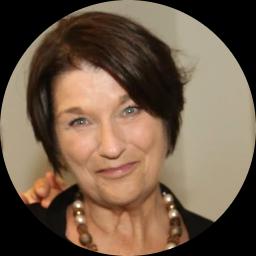
About Mary
Dr. Mary Ann Meli is a Florida psychologist (FL Psychologist PY4501) with 35 years of professional experience. She works with people facing stress, anxiety, grief, low self-esteem, depression, and life changes. She also addresses challenges such as parenting concerns, sleep problems, addictions, relationship and family issues, and mood disorders.
Her approach centers on clear conversation and practical steps. Sessions focus on understanding what is most troubling now and finding manageable ways to cope. She uses client-centered methods that keep the person’s experience central, cognitive behavioral techniques to spot unhelpful thinking and change behavior, and mindfulness practices to reduce reactivity.
Dr. Meli adapts the pace and focus to each person. That can mean short-term work to manage a crisis or longer-term planning for steady change. She listens for patterns that keep problems repeating and works with clients to try different responses in daily life.
Her background includes decades of clinical work in Florida, giving her familiarity with a wide range of concerns from chronic illness and caregiver stress to bereavement and midlife transitions. Her experience includes helping people with trauma, obsessive-compulsive concerns, autism-related issues, and aging-related challenges.
People who choose to work with her can expect straightforward, respectful conversation and practical tools to use between sessions. To begin, she asks people to describe what they want to change and helps shape a plan that fits their circumstances.
How her approaches are used in online sessions
Client-Centered Therapy focuses on listening and reflecting what matters most to the person. It helps people feel heard and clarifies priorities for change. Cognitive Behavioral Therapy (CBT) looks at thinking patterns and behaviors that keep problems going and teaches practical skills to test new responses. Mindfulness Therapy encourages simple attention practices to reduce reactivity and manage distress.Finding the right mix of these approaches is part of the work together. The therapist discusses goals and preferences in the first sessions and adjusts methods based on what helps most. This is a collaborative process where techniques are chosen to fit the person’s needs and daily life.
Confirm the current session options before booking, as specific formats are not listed here. Online sessions can make it easier to fit appointments around work or caregiving by removing travel time. They also allow shorter check-ins when a brief update is needed, and sessions that use audio-only can help when bandwidth is limited or when being on camera is difficult. Ask about available formats when you complete the matching questionnaire so scheduling matches your routine and goals.
Areas of expertise
Also works with
Additional focus areas
Therapeutic approaches
Experience
35+ years
Credentials
Florida
Languages
English
Frequently asked questions
What kinds of issues does she help with?
She works with stress, anxiety, grief, low self-esteem, depression, mood disorders, and related life changes as listed in her specialties.
How would she describe her therapeutic style?
Her style is conversational and practical, using client-centered listening alongside CBT and mindfulness to develop manageable steps.
How many years of experience does she have?
She has 35 years of professional work experience in the field.
What credential does she hold and where is she based?
She is listed as FL Psychologist PY4501 and practices in Florida.
Does she work in languages other than English?
Sessions are offered in English.
Can people from other countries work with her?
She does not accept international clients at this time.
How are fees handled?
Cost varies with location and services; sessions use a subscription that can be canceled at any time.
What are the first steps to begin working together?
Start by selecting the See online therapy options button, complete a short matching questionnaire, and then schedule a first session.
Before you reach out
- Check that the state license on record covers the state you live in.
- You do not need a diagnosis or the right words. Saying "my mood has been up and down" or "I have felt low for weeks" is a fine place to start.
- Counselors offer talking support. Questions about medication belong with a doctor or psychiatrist, and the two can go side by side.
- A profile shows the topics a counselor lists; it is not a diagnosis or a promise of any result.
If you feel unsafe right now, call or text 988, or call 911.