- Depression support
- Anxiety and stress
- CBT and solution-focused
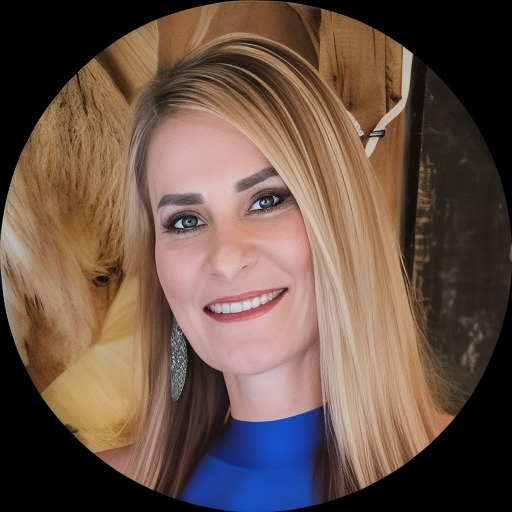
About Melanie
Melanie Williams is a Licensed Clinical Professional Counselor (LCPC) in Maryland with 22 years of experience. She works with adults and teens on mood concerns such as depression, anxiety, stress, and relationship difficulties. Her practice also addresses self-esteem problems and family-related struggles.
Melanie began her professional path with an associate degree in criminology, then a bachelor’s in psychology, and a Master’s in Counseling Psychology from Frostburg State University. She served for over 20 years in corrections and retired from maximum security work. That background shaped a practical, straightforward way of working.
In earlier roles she worked as a school-based therapist and as an adjunct professor teaching the Psychology of Adjustment. She has supported people in detention settings and has provided individual and couple work in independent practice. She also held a Maryland Board Certified Supervisor role beginning in 2007.
Melanie describes her therapeutic style as direct and goal-driven. She commonly uses Cognitive Behavioral Therapy and also draws on person-centered and solution-focused approaches. Sessions tend to focus on clear, actionable steps to reduce low mood and lessen anxiety.
Outside of therapy, Melanie studied fitness and nutrition and became a personal trainer and nutrition coach. That experience influences how she thinks about health and daily routines when addressing mood and well-being.
People who prefer a pragmatic therapist who sets clear goals may find her approach useful. Prospective clients can confirm current session options before booking.
Therapeutic approaches and how online sessions work
Melanie commonly uses Cognitive Behavioral Therapy, which looks at how thoughts and behaviors affect mood and teaches practical skills to change unhelpful patterns. That approach is often applied to depression, anxiety, and stress-related problems.She also draws on person-centered methods that focus on listening and building a respectful working relationship, and on solution-focused techniques that identify small, achievable steps toward goals. Together these approaches aim to produce clear actions clients can use between sessions.
Finding the right mix of methods is part of the process. She will work collaboratively with each person to choose techniques that match their needs, goals, and preferences rather than applying a single method to every issue.
Session format options are not specified in the source biography, so confirm current online session options before booking. In general, online work can make it easier to fit therapy into a busy day, allow shorter check-ins when helpful, and reduce travel time. Licensed professionals often adapt activities so exercises and homework work well across distance and between sessions.
Areas of expertise
Primary focus
Additional focus areas
Experience
22+ years
Credentials
Maryland
Languages
English
Frequently asked questions
What concerns does she focus on?
She works with depression, anxiety, stress, relationship and family difficulties, and self-esteem issues.
What is her therapeutic style?
Her approach is direct and goal-driven, using practical steps to address problems and make progress.
How much clinical experience does she have?
She has 22 years of experience, including work in schools, corrections, and independent practice.
What are her credentials and location?
She is an LCPC licensed in Maryland and works with clients located in Maryland.
Which languages are sessions offered in?
Sessions are offered in English.
Can people outside the U.S. work with her?
International clients are not currently accepted.
How are sessions paid for?
Cost varies with location; sessions use a subscription that can be canceled at any time.
How do I begin with a first session?
Select the See online therapy options button, complete a short matching questionnaire, and schedule a first session.
Before you reach out
- Check that the state license on record covers the state you live in.
- You do not need a diagnosis or the right words. Saying "my mood has been up and down" or "I have felt low for weeks" is a fine place to start.
- Counselors offer talking support. Questions about medication belong with a doctor or psychiatrist, and the two can go side by side.
- A profile shows the topics a counselor lists; it is not a diagnosis or a promise of any result.
If you feel unsafe right now, call or text 988, or call 911.