- Stress and depression
- Substance use concerns
- CBT and solution focus
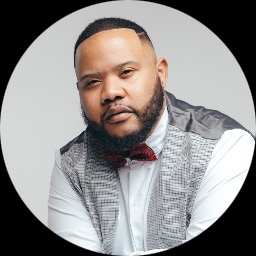
About Melvin
Melvin Nevels, LICSW, LCSW, has six years of clinical experience and practices in Louisiana. He works with people facing stress, anxiety, addictions, anger, bipolar conditions, and depression. He also addresses mood disorders and related struggles like panic, social anxiety, and isolation.
Melvin focuses on practical, collaborative work in sessions. He uses straightforward conversation to identify immediate concerns and build concrete coping skills. Sessions often include checking current mood, setting small goals, and practicing techniques that can be used between meetings.
His methods draw on evidence-based therapeutic techniques that aim to change unhelpful thinking and behavior patterns. He incorporates approaches such as Cognitive Behavioral Therapy, solution-focused methods, and motivational interviewing to support behavior change and clearer decision-making. He also uses strengths-based and person-centered ideas to highlight what is working for each client.
Melvin brings experience from behavioral health leadership, case management, and crisis intervention into his clinical work. He has worked with Veterans and people with complex mental health needs, which informs how he plans care and coordinates supports when needed. This background helps him attend to both immediate safety and longer-term goals.
Sessions aim to be practical and goal oriented while respecting cultural and spiritual factors that matter to the person. To begin the process, a prospective client selects the online therapy options button, completes a short matching questionnaire, and schedules a first session. The subscription model can be canceled at any time and costs vary with location.
How evidence-based approaches are used in online sessions
Melvin uses Cognitive Behavioral Therapy to help people identify and change unhelpful thought patterns and behaviors. CBT is practical and problem-focused, often used for depression, anxiety, and mood regulation.He also draws on solution-focused methods, which concentrate on small, achievable steps and what is already working. These techniques can be useful when someone wants quick, goal-oriented change. Motivational interviewing is another approach he uses to help people find personal reasons to change substance use or other behaviors.
Finding the right approach is part of the work. He will collaborate with each person to decide which methods fit their needs, goals, and preferences, and adjust the plan as progress is made.
Session formats are not listed in the biography, so confirm current online session options before booking. Online sessions can make it easier to fit therapy into a busy week, shorten travel time, and allow for briefer check-ins when needed. Licensed professionals often use these remote formats to keep continuity of care and to help people practice skills in their everyday routines.
Areas of expertise
Primary focus
Additional focus areas
Experience
6+ years
Credentials
Louisiana, Texas, Alabama
Languages
English
Frequently asked questions
What concerns does he address?
He works with stress, anxiety, addictions, anger, bipolar conditions, and depression, along with mood disorders and related issues such as panic and social anxiety.
What is his therapeutic style?
Sessions are collaborative and practical, focusing on immediate coping skills, goal setting, and techniques to use between meetings.
How much clinical experience does he have?
He has six years of experience in clinical and behavioral health roles.
What credentials and location are on file?
He is listed as LICSW and LCSW with licensure noted in Alabama and Texas and he practices in Louisiana.
Which languages are supported for sessions?
Sessions are offered in English.
Can people outside the United States work with him?
He is not currently accepting international clients.
How are fees handled?
Cost varies with location; sessions use a subscription that can be canceled at any time.
How do I begin a first session?
Select the See online therapy options button, complete the short matching questionnaire, and schedule a first session.
Before you reach out
- Check that the state license on record covers the state you live in.
- You do not need a diagnosis or the right words. Saying "my mood has been up and down" or "I have felt low for weeks" is a fine place to start.
- Counselors offer talking support. Questions about medication belong with a doctor or psychiatrist, and the two can go side by side.
- A profile shows the topics a counselor lists; it is not a diagnosis or a promise of any result.
If you feel unsafe right now, call or text 988, or call 911.