- ACT and CBT methods
- Attachment focused work
- DBT skills for emotions
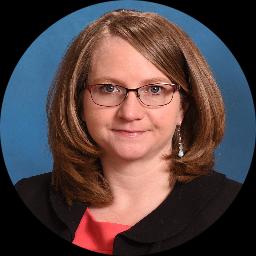
About Michelle
Michelle Smith is a Licensed Professional Counselor (LPC) and a Licensed Independent Mental Health Practitioner (LIMHP) practicing in Nebraska with 15 years of experience. She works with people who face stress, anxiety, mood changes, depression, bipolar concerns, grief, trauma, relationship issues, and parenting pressures.
Michelle uses plain, direct conversation to help people name what feels hard and try practical steps to feel steadier. Sessions focus on what someone wants to change and small actions they can take between meetings. She pays attention to how past relationships affect current patterns and how emotions show up in day-to-day life.
Her background includes a mix of approaches that emphasize values, behavior change, and repairing attachment patterns. Michelle draws on Acceptance and Commitment Therapy to clarify values and build willingness to face difficult feelings. She also uses Cognitive Behavioral Therapy to identify unhelpful thoughts and Dialectical Behavior Therapy skills for emotion regulation and distress tolerance.
People come to her when they feel stuck after loss, overwhelmed by work or caregiving, or confused by repeated relationship patterns. She helps people explore identity questions, including gender and LGBT concerns, and supports those coping with burnout or compassion fatigue.
Sessions include straightforward goal-setting, practical coping skills, and reflective work on family of origin and attachment issues. Michelle describes therapy as collaborative work where clients set priorities and try realistic changes between sessions.
How Michelle’s approaches are used in online sessions
Michelle commonly uses Acceptance and Commitment Therapy and Attachment-Based ideas in her work. ACT focuses on clarifying what matters to a person and building small actions that align with those values while accepting hard feelings. Attachment-Based work looks at how early relationships shape current patterns and helps people notice and change those patterns in present relationships.Finding the right approach is part of the work. Michelle will talk with each person about their goals and preferences and together decide which methods to try first. That collaborative planning can include trying different techniques over several sessions to see what fits best.
The practical benefits of online therapy include fitting sessions into a busy week and reducing travel time so meetings are easier to keep. Confirm the session formats available before booking since the biography does not list specific options. Online work can allow brief check-ins, regular weekly sessions, or focused skills practice without needing extra commute time, making it easier to use therapy alongside work, caregiving, and daily life.
Areas of expertise
Primary focus
Also works with
Additional focus areas
Therapeutic approaches
Experience
15+ years
Credentials
Nebraska, Colorado
Languages
English
Frequently asked questions
What concerns does she address?
She works with stress, anxiety, depression, bipolar-related mood challenges, grief, trauma, relationship and parenting issues, and burnout.
What is her general therapeutic style?
Michelle blends acceptance-based work with practical skill teaching and reflective discussion to help clients set and reach concrete goals.
How much clinical experience does she have?
She has 15 years of experience working with adults on mood, relationship, and life transition concerns.
What credentials and location should I know?
She is an LPC and a LIMHP licensed in Colorado and Nebraska and practices from Nebraska.
Which languages and international options are available?
Sessions are offered in English and she is not taking international clients.
What session formats are offered?
Please confirm current session options before booking, as formats are not specified in the biography.
How are sessions paid for and what do they cost?
Cost varies with location; sessions use a subscription model that can be canceled at any time.
How do I get started with a first appointment?
Select the See online therapy options button, complete a short matching questionnaire, and schedule your first session.
Before you reach out
- Check that the state license on record covers the state you live in.
- You do not need a diagnosis or the right words. Saying "my mood has been up and down" or "I have felt low for weeks" is a fine place to start.
- Counselors offer talking support. Questions about medication belong with a doctor or psychiatrist, and the two can go side by side.
- A profile shows the topics a counselor lists; it is not a diagnosis or a promise of any result.
If you feel unsafe right now, call or text 988, or call 911.