- CBT methods
- DBT skills
- Motivational interviewing
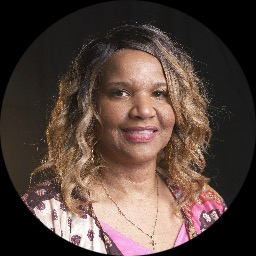
About Michelle
Michelle Spencer is a Licensed Mental Health Counselor (LMHC) and a Licensed Professional Clinical Counselor (LPCC) with 12 years of experience. She is licensed in New York and Minnesota and works with adults facing stress, anxiety, trauma and abuse, self-esteem concerns, career challenges, and mood-related issues such as depression and bipolar mood swings.
Michelle uses a straightforward, conversational style in sessions. She focuses on what someone wants to change and helps them build practical skills. Sessions often include talking through current problems, practicing new ways of responding, and setting small, achievable goals.
Her approach draws on client-centered ideas that prioritize the person’s perspective. Cognitive Behavioral Therapy (CBT) is used to notice and shift unhelpful thinking and behavior patterns. Dialectical Behavior Therapy (DBT) skills are employed when emotion regulation and interpersonal effectiveness are priorities.
Michelle also uses motivational interviewing to support commitment to change, for example with addictions or when starting new habits. She pays attention to caregiver stress, codependency, guilt and shame, and issues common in young adulthood and the workplace.
In sessions she aims to be practical and direct. She helps people manage anger, grief, eating concerns, ADHD-related struggles, and the ups and downs of mood. Before booking, confirm current session options and formats with the provider.
How therapeutic approaches translate to online sessions
Client-Centered Therapy focuses on listening to the person’s experience and following their priorities. It aims to make sessions responsive to what the client says they need and to build trust through understanding.Cognitive Behavioral Therapy (CBT) looks at the links between thoughts, feelings, and actions. In practice this means identifying unhelpful thoughts, testing them, and trying small behavioral experiments to shift mood and anxiety symptoms.
Dialectical Behavior Therapy (DBT) teaches concrete skills for managing strong emotions and improving relationships. Skills include emotion regulation, distress tolerance, and clearer communication for workplace or personal conflicts.
Finding the right mix of approaches is part of the work. The therapist will collaborate with each person to decide which methods fit best based on goals, current struggles, and how someone prefers to work. This can change over time as needs evolve.
Session formats are not specified in the original biography, so confirm available options before booking. Online sessions can make it easier to fit therapy into a busy schedule, allow shorter check-ins when needed, and reduce travel time. They also make it possible to practice new skills in real-life settings and bring materials or worksheets into the session for hands-on learning.
Areas of expertise
Primary focus
Also works with
Additional focus areas
Therapeutic approaches
Experience
12+ years
Credentials
Minnesota, New York
Languages
English
Frequently asked questions
What kinds of problems does she help with?
She helps adults with stress, anxiety, trauma and abuse, depression, bipolar mood concerns, and related issues like relationship problems and workplace stress.
What therapeutic style does she use?
Her style is practical and conversational, using client-centered work alongside cognitive behavioral and dialectical behavior techniques to address thoughts, behaviors, and emotions.
How much experience does she have?
She has 12 years of professional experience and holds licenses in New York and Minnesota.
Where is she based and what are her credentials?
She is based in Minnesota and holds the credentials LMHC and LPCC, with licensure in NY and MN.
Does she work in languages other than English?
Sessions are offered in English.
What session formats are available?
The original biography does not specify formats; please confirm current session options with the provider before booking.
How are fees structured?
Cost varies with location and sessions use a subscription that can be canceled at any time.
How do I begin if I want to work with her?
Use the See online therapy options button, complete the short matching questionnaire, and schedule a first session.
Before you reach out
- Check that the state license on record covers the state you live in.
- You do not need a diagnosis or the right words. Saying "my mood has been up and down" or "I have felt low for weeks" is a fine place to start.
- Counselors offer talking support. Questions about medication belong with a doctor or psychiatrist, and the two can go side by side.
- A profile shows the topics a counselor lists; it is not a diagnosis or a promise of any result.
If you feel unsafe right now, call or text 988, or call 911.