- Client-Centered Therapy
- Cognitive Behavioral Therapy
- Motivational Interviewing
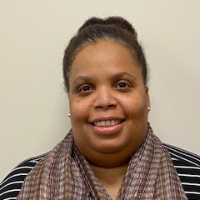
About Michelle
Dr. Michelle Turnbough is an LCPC - Licensed Clinical Professional Counselor in Illinois with 13 years of experience. She works with common concerns such as stress, anxiety, depression, addictions, parenting strains, relationship problems, trauma and mood disorders. She speaks English and accepts international clients.
Michelle draws on practical, skills-based methods in sessions. She uses client-centered work to listen and reflect what matters most to the person. She pairs that with cognitive behavioral techniques to identify thought patterns and try small experiments that change how people feel.
Motivational interviewing shows up when someone is unsure about change. That approach helps people look at their own reasons for changing and build momentum. Solution-focused strategies are used to set short-term goals and notice what already works.
Her background includes many years in addiction counseling and clinical leadership roles. That experience informs work with domestic violence survivors, drug and alcohol concerns, grief, and post-traumatic stress. She also supports people dealing with guilt, shame, isolation, workplace pressure, and life purpose questions.
In sessions the focus is on clear steps and honest conversation. Michelle helps people sort priorities, try different coping skills, and track progress over time. She encourages straightforward feedback so the plan can be adjusted as needed.
How Michelle’s approaches translate to online work
Client-centered therapy focuses on attentive listening and reflecting what matters to the person, which helps establish clear goals even when sessions happen remotely. Cognitive behavioral therapy breaks problems into thoughts, behaviors, and feelings and uses exercises and experiments that can be done between meetings to change patterns of mood and behavior. Motivational interviewing supports people who feel unsure about change by helping them weigh their reasons and build small, practical steps forward.Deciding which approach to use is part of the work. Michelle will collaborate with the client to identify goals and preferences, then try approaches that fit those needs. That might mean starting with short solution-focused steps, moving into CBT exercises, or using motivational interviewing to increase readiness for change.
The biography does not specify session formats, so confirm current online options before booking. In general, online work can make it easier to fit sessions into a busy week, reduce travel time, and allow brief check-ins when needed. Some approaches lend themselves to short homework and progress tracking that fit well with remote sessions, and the therapist will discuss practical arrangements during your first appointment.
Areas of expertise
Primary focus
Also works with
Additional focus areas
Therapeutic approaches
Experience
13+ years
Credentials
Illinois
Languages
English
Frequently asked questions
What kinds of problems does she help with?
She works with stress, anxiety, depression, addictions, relationship and family issues, trauma, grief, mood disorders, and related concerns.
What is her therapeutic approach and style?
She uses client-centered methods, cognitive behavioral techniques, motivational interviewing, solution-focused steps, and trauma-focused work to help people set goals and try new coping strategies.
How much experience does she have?
She has 13 years of clinical experience and a long background in addiction counseling and clinical leadership roles.
What are her credentials and where is she based?
She is an LCPC - Licensed Clinical Professional Counselor licensed in Illinois.
Does she work in other languages or with international clients?
Sessions are offered in English, and she accepts international clients.
Which session formats are offered?
The original biography does not list specific session formats, so confirm current session options before booking.
How much do sessions cost?
Cost varies with location; sessions use a subscription that can be canceled at any time.
How do I begin working with her?
Choose the See online therapy options button, complete a short matching questionnaire, and schedule a first session.
Before you reach out
- Check that the state license on record covers the state you live in.
- You do not need a diagnosis or the right words. Saying "my mood has been up and down" or "I have felt low for weeks" is a fine place to start.
- Counselors offer talking support. Questions about medication belong with a doctor or psychiatrist, and the two can go side by side.
- A profile shows the topics a counselor lists; it is not a diagnosis or a promise of any result.
If you feel unsafe right now, call or text 988, or call 911.