- Depression support
- Anxiety management
- Bilingual English Spanish
About Monica
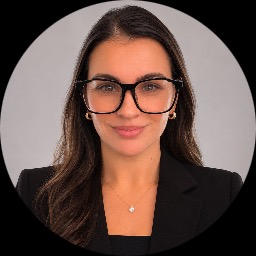
Monica Pinto is a Licensed Marriage and Family Therapist (LMFT) in California with 11 years of clinical experience. She works with people dealing with depression, anxiety, stress, bipolar disorder, relationship difficulties, and major life transitions. Monica provides therapy in English and Spanish and accepts international clients.
She focuses on practical strategies that help with day-to-day coping. Sessions often involve teaching skill-based techniques for managing low mood, high stress, and intense emotions. She also helps people improve communication in relationships and navigate separation or divorce.
Monica uses evidence-based therapeutic techniques to build coping skills and clarify goals. She supports clients who want to understand attachment patterns, reduce isolation, or manage workplace pressure. Conversations cover guilt, shame, impulse control, and finding a clearer sense of purpose.
Her style is collaborative and paced to the client's comfort. Monica aims to listen closely and help people notice small changes that add up over time. She also offers support for caregivers who are feeling overwhelmed.
Over eleven years, Monica has worked with a wide range of concerns connected to mood and life transitions. She helps clients who struggle with social anxiety, self-love, forgiveness, and the practical impacts of mood disorders. People can expect straightforward guidance and tools they can use between sessions.
How evidence-based approaches are used in online sessions
Monica draws on evidence-based therapeutic techniques that focus on practical skills and clearer thinking. One common approach teaches coping skills for managing low mood and anxiety, such as structured breathing, activity planning, and step-by-step behavioral changes to reduce overwhelm. Another approach looks at relationship patterns and attachment issues to improve communication and reduce recurring conflict, using exercises that clarify expectations and foster healthier interactions.Finding the right approach is part of the work together. She collaborates with clients to pick methods that match their needs, goals, and preferences, and adjusts the plan as progress is reviewed. Clients take an active role in choosing techniques that fit their daily life and what they want to change.
Confirm the exact session formats before booking, as the biography does not list specific delivery methods. In general, online therapy can make it easier to fit sessions into a busy schedule, allow shorter check-ins when needed, and remove travel time. It can also help when quieter surroundings or lower bandwidth are required, or when a session is best done without video. Ask about available formats when you set up the first appointment.
Areas of expertise
Primary focus
Additional focus areas
Experience
11+ years
Credentials
California
Languages
English, Spanish
Frequently asked questions
What issues does she address?
She works with depression, anxiety, stress, bipolar disorder, relationship difficulties, and coping with life changes, plus related concerns like guilt, shame, and isolation.
What is her therapeutic approach?
She applies evidence-based therapeutic techniques focused on teaching coping skills, improving communication, and clarifying goals in everyday terms.
How much experience does she have?
Monica has 11 years of clinical experience working with mood-related concerns and life transitions.
What are her credentials and where is she based?
She is a LMFT, licensed in California, and provides services from that location.
In which languages can sessions be held?
Sessions are offered in English and Spanish.
Can she work with clients outside the US?
She accepts international clients; confirm any cross-border specifics when you book.
How are sessions priced?
Cost varies with location and sessions use a subscription model that can be canceled at any time.
How do I begin working with her?
Select the See online therapy options button, complete a short matching questionnaire, and schedule a first session.
Before you reach out
- Check that the state license on record covers the state you live in.
- You do not need a diagnosis or the right words. Saying "my mood has been up and down" or "I have felt low for weeks" is a fine place to start.
- Counselors offer talking support. Questions about medication belong with a doctor or psychiatrist, and the two can go side by side.
- A profile shows the topics a counselor lists; it is not a diagnosis or a promise of any result.
If you feel unsafe right now, call or text 988, or call 911.