- Stress and anxiety
- Mood disorders
- Addiction recovery
About Pallah
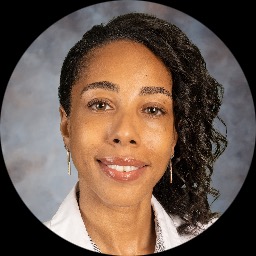
Pallah Burdis is an LCSW (Licensed Clinical Social Worker) practicing in Texas with six years of clinical experience. She works with people dealing with stress, anxiety, addictions, relationship struggles, low self-esteem, depression, and related mood concerns. Sessions focus on practical ways to manage day-to-day symptoms and rebuild routine and connection.
Burdis centers multicultural experience in her work and pays attention to how prejudice and discrimination shape people's feelings. She often helps clients who feel isolated or have trouble with attachment, guilt, or shame. Postpartum mood changes and challenges tied to life purpose and identity are also areas she addresses.
Her approach draws on evidence-based therapeutic techniques. That means she uses methods that involve setting concrete goals, practicing new ways of coping, and reflecting on relationship patterns. Clients can expect focused conversations, skill practice, and planning for real-world situations.
Burdis also supports people working through addiction, drug and alcohol concerns, and family of origin problems. She includes practical steps for recovery and relapse prevention alongside emotional work about shame and forgiveness. Counsel about financial stress and career-related pressure is part of the mix when those issues come up.
People who prefer therapy with attention to cultural identity, mood shifts, and postpartum matters may find her perspective relevant. Sessions are conducted in English and she does not accept international clients. Before booking, confirm current session options and modalities.
How evidence-based approaches translate to online sessions
Pallah Burdis works from evidence-based therapeutic techniques that focus on practical change. One approach emphasizes skills training and behavioral strategies to reduce symptoms of depression and anxiety by building routines and coping tools that can be practiced between sessions. Another approach looks at attachment and relationship patterns, helping people recognize how past relationships affect current mood and interactions, which can ease isolation and improve connections.Finding the right approach is part of the work. She will collaborate with each person to identify which methods fit their goals and preferences, and adjust the plan as progress is tracked. Clients and therapist decide together which tools to try and when to shift focus.
The practical benefits of online work include easier fitting of sessions into a busy week and removing travel time so checks and follow-ups take less time. If you need details about specific session formats, confirm the current options before booking. The emphasis is on making therapy usable within daily life rather than on a particular service promise.
Areas of expertise
Primary focus
Additional focus areas
Experience
6+ years
Credentials
Texas
Languages
English
Frequently asked questions
What issues does she help with most?
She works with stress, anxiety, addictions, relationship problems, self-esteem, depression, and mood disorders among other related concerns.
What is her therapeutic style?
She uses evidence-based therapeutic techniques focused on practical skills, goal setting, and understanding relationship patterns to address emotional and behavioral challenges.
How much experience does she have?
Pallah Burdis has six years of clinical experience working with a range of mood and adjustment concerns.
What are her credentials and where is she based?
She holds an LCSW license and practices in Texas.
Does she offer sessions in other languages or to international clients?
Sessions are offered in English and she does not accept international clients at this time.
Which session formats are available?
The biography does not list specific session formats; please confirm the current options before booking a session.
How are costs handled?
Cost varies by location and sessions use a subscription model that can be canceled at any time.
How do I get started with a first session?
Select the See online therapy options button, complete a short matching questionnaire, and schedule your first session.
Before you reach out
- Check that the state license on record covers the state you live in.
- You do not need a diagnosis or the right words. Saying "my mood has been up and down" or "I have felt low for weeks" is a fine place to start.
- Counselors offer talking support. Questions about medication belong with a doctor or psychiatrist, and the two can go side by side.
- A profile shows the topics a counselor lists; it is not a diagnosis or a promise of any result.
If you feel unsafe right now, call or text 988, or call 911.