- Stress and anxiety
- Trauma and abuse
- Depression support
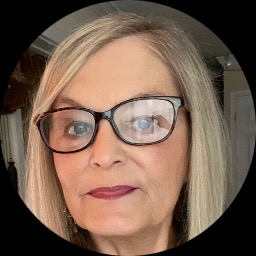
About Pam
Pam Warlaumont is a Licensed Clinical Social Worker (LCSW) in Florida with 27 years of clinical experience. She helps people who are dealing with stress, anxiety, depression, grief and relationship problems. Her background includes long work with trauma and abuse, including post-traumatic stress concerns.
Pam uses straightforward conversation and practical techniques to help people manage overwhelming feelings. Sessions focus on identifying what is most troubling, learning ways to reduce symptoms, and building clearer communication in relationships. She also helps people facing major life changes such as divorce, caregiving responsibilities, cancer, or midlife transitions.
Her practice often addresses issues of abandonment, isolation, loneliness, and emptiness, and she supports people working through commitment and communication problems. First responder issues and caregiver stress are among the focused areas she can address. Pam also works with concerns that come with aging and geriatric questions.
Over nearly three decades she has combined clinical knowledge and professional ethics with a direct, person-centered approach. Sessions are practical and goal-oriented, with attention to what shifts will feel doable in daily life. She encourages clear steps so people can notice small improvements over time.
Pam offers services in English and practices in Florida. People who want to begin are asked to use the site's online process to match and schedule an initial session. Costs vary by location and use a subscription that can be canceled at any time.
Approaches used and how online work fits
Evidence-based therapeutic techniques here refer to practical methods that reduce symptoms and improve day-to-day functioning. One common approach focuses on skills training to manage anxiety and low mood - it teaches breathing, activity planning, and ways to handle intrusive thoughts so daily routines are easier to keep. Another approach addresses trauma and PTSD-related problems by helping people process stressful memories and learn grounding and safety strategies so symptoms interrupt life less often.Choosing the right method is part of the work together. The therapist will review the concerns, goals, and what has or has not helped before, and then suggest a starting approach. Clients and the therapist adjust the plan as they learn what fits best, keeping things practical and collaborative.
Confirm the therapist's current online session options before booking, as the profile does not list specific formats. Online work can make it easier to fit sessions into a busy week, reduce travel time, and allow shorter check-ins when schedules are tight. Some formats need less bandwidth or do not require a camera, which can help with comfort and convenience. Ask about the session formats available when you schedule so arrangements match your needs.
Areas of expertise
Primary focus
Additional focus areas
Experience
27+ years
Credentials
Florida
Languages
English
Frequently asked questions
What concerns does she commonly help with?
Pam works with stress, anxiety, depression, grief and relationship concerns, with a strong focus on trauma and abuse and related symptoms.
What is her general approach in sessions?
She uses direct, practical conversation and evidence-based techniques to reduce symptoms and improve communication and coping skills.
How much clinical experience does she have?
She has 27 years of professional therapeutic work experience in clinical settings and independent practice.
What credentials and location are listed?
She is a Licensed Clinical Social Worker, FL LCSW, and practices in Florida.
What languages are offered for sessions?
Sessions are offered in English.
Can international clients work with her?
She does not accept international clients at this time.
How do session costs work?
Costs vary with location and are handled through a subscription model that can be canceled at any time.
How do I begin if I want to schedule?
Use the See online therapy options button, complete the short matching questionnaire, and then schedule a first session.
Before you reach out
- Check that the state license on record covers the state you live in.
- You do not need a diagnosis or the right words. Saying "my mood has been up and down" or "I have felt low for weeks" is a fine place to start.
- Counselors offer talking support. Questions about medication belong with a doctor or psychiatrist, and the two can go side by side.
- A profile shows the topics a counselor lists; it is not a diagnosis or a promise of any result.
If you feel unsafe right now, call or text 988, or call 911.