- Depression and mood disorders
- Anxiety and panic
- Trauma informed methods
About Patricia
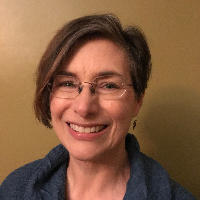
Dr. Patricia Frueh is a Michigan psychologist with 28 years of clinical experience. She works with adults who are dealing with depression, anxiety, mood swings, trauma and related problems. She also addresses challenges such as parenting stress, relationship strain, sleep and eating issues, and addictions.
Patricia (Pat) listens for strengths people already have and points them out during sessions. She uses clear, practical conversation to help people manage day-to-day symptoms. Humor and straightforward feedback are sometimes part of how she works.
Her background includes many years providing psychotherapy for people recovering from emotional or physical abuse and for those coping with major life changes. She draws on research from positive psychology alongside more traditional clinical approaches. That mix supports short-term problem solving and longer-term change.
In session she commonly uses techniques from Acceptance and Commitment Therapy and Cognitive Behavioral Therapy to address unhelpful thinking and improve daily functioning. Dialectical Behavior Therapy skills and mindfulness practices may be offered when emotional regulation or distress tolerance is needed. Solution-focused methods are used to set clear, achievable goals.
Pat holds the credential MI Psychologist 6301008874 and works in Michigan. She conducts assessment and counseling in English. Before booking, readers should confirm current session options using the online matching steps provided on the site.
How her approaches translate to online work
Acceptance and Commitment Therapy (ACT) helps people notice difficult thoughts and choose actions that match their values. It can be useful for depression, anxiety and mood fluctuations by shifting focus toward meaningful activities.Cognitive Behavioral Therapy (CBT) looks at thinking and behavior patterns that keep problems going. Sessions often include learning practical skills, testing new behaviors between meetings, and tracking progress in day-to-day life.
Dialectical Behavior Therapy (DBT) teaches concrete skills for emotion regulation and distress tolerance. It is helpful when intense mood shifts or strong reactions make daily functioning harder.
Finding the right approach is part of the work. The therapist will collaborate with each person to decide which methods fit their needs, goals and preferences. That choice may change as therapy progresses and new priorities emerge.
Confirm the session formats available before booking using the online matching steps on the site. Online work can make it easier to fit sessions into a busy life, allow shorter check-ins when needed, and reduce travel time. Licensed professionals can adapt ACT, CBT and DBT tools to remote sessions so people continue learning skills between meetings.
Areas of expertise
Primary focus
Also works with
Additional focus areas
Therapeutic approaches
Experience
28+ years
Credentials
Michigan
Languages
English
Frequently asked questions
What concerns does she address?
She works with depression, anxiety, mood swings, trauma and related problems such as sleep, eating, parenting stress, addictions and relationship strain.
What methods does she use in sessions?
She uses Acceptance and Commitment Therapy, Cognitive Behavioral Therapy, Dialectical Behavior Therapy, mindfulness practices and solution-focused methods as appropriate.
How long has she been practicing?
She has 28 years of experience as a practicing psychologist in clinical settings.
What credential does she hold and where is she based?
She is listed as MI Psychologist 6301008874 and is based in Michigan.
Which languages are offered?
Sessions are offered in English.
Can international clients work with her?
She does not accept international clients at this time.
What session formats are available?
Please confirm the current session options before booking by using the online matching steps on the site.
How is payment handled?
Cost varies with location and sessions use a subscription that can be canceled at any time.
Before you reach out
- Check that the state license on record covers the state you live in.
- You do not need a diagnosis or the right words. Saying "my mood has been up and down" or "I have felt low for weeks" is a fine place to start.
- Counselors offer talking support. Questions about medication belong with a doctor or psychiatrist, and the two can go side by side.
- A profile shows the topics a counselor lists; it is not a diagnosis or a promise of any result.
If you feel unsafe right now, call or text 988, or call 911.