- Mood disorders
- Trauma and abuse
- LGBTQ2+ concerns
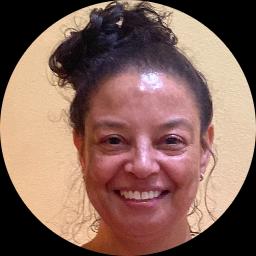
About Polly
Polly Parks is a Licensed Clinical Social Worker (LCSW) in California with 14 years of clinical experience. She helps people who are dealing with depression, anxiety, grief, anger, and issues that affect LGBTQ2+ people. Polly also supports those facing substance use concerns and people coping with loss and change.
Polly uses straightforward talk therapy and evidence-informed approaches. She draws on Acceptance and Commitment Therapy to help people notice painful thoughts and move toward meaningful action. She also uses client-centered techniques to listen and reflect what matters most to each person.
Her background includes working with students and professionals after the Saugus High School 2019 shooting. She is a member of the National Association of Social Workers and the World Professional Association for Transgender Health. Polly has completed the California Board of Behavioral Sciences telehealth training required by state rules.
She is in long-term recovery from alcohol and brings that lived experience into sessions when helpful. Polly knows 12-step groups and also recommends SMART recovery for addictions as one option to explore alongside therapy.
Polly typically schedules sessions in the afternoons, evenings, and on weekends, with Wednesday and Thursday as her days off. Before booking, people should confirm current session options and times using the online matching process outlined on her profile.
Therapeutic approaches and how online sessions are offered
Acceptance and Commitment Therapy (ACT) helps people notice difficult thoughts and feelings and then take committed steps toward what matters to them. It can be useful for mood swings, low mood, and patterns that get in the way of daily life.Client-Centered Therapy focuses on listening, reflecting, and creating a respectful environment where people can talk through what matters. This approach supports exploring values, grief, relationship strain, and identity concerns without pressure to fit a particular outcome.
Finding the right approach is part of the work. The therapist and client collaborate to decide whether ACT, client-centered methods, or trauma-focused techniques fit best. That choice is guided by the client’s needs, goals, and preferences and can change over time.
Confirm current session options before booking via the online matching process described on the profile. The practical benefit of remote sessions is that they can fit into busy schedules, make it easier to attend from different locations, and allow for shorter check-ins when needed. If you prefer an in-person rhythm or particular timing, use the scheduling steps to see what is offered and pick the best fit for daily life.
Areas of expertise
Primary focus
Additional focus areas
Therapeutic approaches
Experience
14+ years
Credentials
California
Languages
English
Frequently asked questions
What kinds of concerns does she address?
She works with depression, anxiety, grief, anger, and issues affecting LGBTQ2+ people, along with substance use and related challenges.
What is her therapy style like?
Her style is direct and person-focused, combining Acceptance and Commitment Therapy with client-centered listening and trauma-focused techniques when needed.
How much experience does she have?
She has 14 years of professional therapeutic experience practicing in California.
What are her credentials and where does she practice?
She is an LCSW licensed in California and works with clients who are located in that state.
In which language are sessions held?
Sessions are offered in English.
Can people from other countries work with her?
She does not accept international clients at this time.
How are sessions scheduled and what formats are used?
Confirm current session options before booking using the online matching process; the profile asks you to complete a short questionnaire and then schedule a first session.
How does payment work?
Cost varies with location and sessions use a subscription model that can be canceled at any time.
Before you reach out
- Check that the state license on record covers the state you live in.
- You do not need a diagnosis or the right words. Saying "my mood has been up and down" or "I have felt low for weeks" is a fine place to start.
- Counselors offer talking support. Questions about medication belong with a doctor or psychiatrist, and the two can go side by side.
- A profile shows the topics a counselor lists; it is not a diagnosis or a promise of any result.
If you feel unsafe right now, call or text 988, or call 911.