- CBT techniques
- Emotion-focused work
- Mindfulness practice
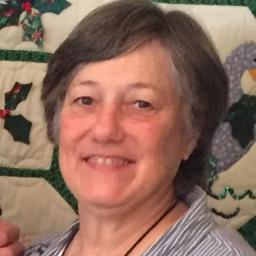
About Ramona
Licensed Professional Counselor (LPC) in Texas, Ramona Leonards brings 30 years of experience in community mental health. She has worked with adults, young adults, adolescents and children in nonprofit settings and with underserved populations. Her practice focuses on concerns such as depression, anxiety, relationship strain, parenting challenges, and mood disorders.
Ramona often helps people who have faced trauma or emotional abuse and those navigating gender identity and LGBT issues. She has supported people on the autism spectrum as they move toward adulthood and independence. She also works with grief, bipolar concerns, self-harm, seasonal mood shifts, and compassion fatigue.
Her approach centers on the person rather than a diagnosis. She integrates Client-Centered Therapy with Cognitive Behavioral Therapy (CBT), Emotionally-Focused Therapy (EFT), Mindfulness Therapy, and Solution-Focused Therapy. In practice this means listening first, then using practical steps and skills to address mood, anxiety, and relationship patterns.
Sessions are conversational and interactive. Ramona uses structured exercises, thought and behavior work, and emotion-focused techniques to help somebody notice patterns and try small changes. Mindfulness practices are offered to help manage stress and low mood in day-to-day life.
Her background in community agencies means experience with limited-resource settings and diverse life situations. People who are feeling down, having frequent mood swings, or coping with significant life changes can expect clear, steady support aimed at practical coping and clearer decision making.
How her approaches are used in online work
Client-Centered Therapy emphasizes listening and building a collaborative conversation. It helps people articulate goals and feel understood before trying changes. Cognitive Behavioral Therapy (CBT) focuses on identifying thought and behavior patterns and practicing concrete skills to shift mood and reduce anxiety. Emotionally-Focused Therapy (EFT) works with feelings and interaction patterns to improve how people relate and express emotion.Finding the right mix of approaches is part of the work. Ramona will discuss goals and preferences and then try approaches that fit the client's needs. She adjusts methods as progress is made so the plan reflects what is helpful and realistic for each person.
Session formats are not specified in the biography, so confirm current online options before booking. In general, online sessions can make it easier to fit therapy into a busy day, let someone have shorter check-ins when needed, or avoid travel time. They also allow practical exercises, thought records, and mindfulness coaching to be used during regular life activities rather than only in the office.
Areas of expertise
Primary focus
Also works with
Additional focus areas
Therapeutic approaches
Experience
30+ years
Credentials
Texas
Languages
English
Frequently asked questions
What concerns does she work with?
She works with depression, anxiety, relationship issues, parenting challenges, mood disorders, trauma and related concerns.
What methods does she use in session?
Her practice combines Client-Centered Therapy, Cognitive Behavioral Therapy, Emotionally-Focused Therapy, mindfulness exercises, and Solution-Focused techniques.
How much experience does she have?
Ramona has 30 years of experience working in community mental health, often with underserved populations.
Where is she based and what are her credentials?
She is an LPC licensed in Texas and works from a practice connected to that state.
Which languages are supported?
Sessions are offered in English.
Does she see international clients?
International clients are not currently accepted.
How are fees handled?
Cost varies with location and sessions use a subscription that can be canceled at any time.
How do I begin working together?
Use the See online therapy options button, complete a short matching questionnaire, and then schedule a first session.
Before you reach out
- Check that the state license on record covers the state you live in.
- You do not need a diagnosis or the right words. Saying "my mood has been up and down" or "I have felt low for weeks" is a fine place to start.
- Counselors offer talking support. Questions about medication belong with a doctor or psychiatrist, and the two can go side by side.
- A profile shows the topics a counselor lists; it is not a diagnosis or a promise of any result.
If you feel unsafe right now, call or text 988, or call 911.