- Stress and anxiety
- Depression and grief
- Client-centered methods
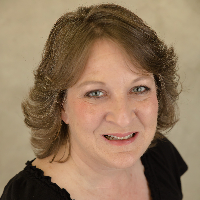
About Rebecca
Rebecca Andersen is a Licensed Marriage and Family Therapist (LMFT) in Minnesota with 21 years of experience. She helps people dealing with stress, anxiety, depression, grief, relationship concerns, and parenting strain. She also addresses issues like self-esteem, anger, intimacy-related problems, and life changes.
Rebecca draws on practical methods to help people understand what keeps them stuck. She uses client-centered ideas to follow what matters most to the person in the room. She also works with cognitive behavioral techniques to identify unhelpful thinking and narrative approaches to reframe personal stories.
Her style is collaborative. She involves clients in planning goals and deciding which strategies to try. Sessions focus on clear steps people can use between meetings to handle daily stress and mood swings.
Rebecca has worked with people facing family conflict, separation, caregiving stress, and issues such as infidelity or body image concerns. She also supports those coping with career pressures, cancer-related stress, and feelings of isolation or shame.
Over two decades of practice have shaped a straightforward approach that mixes practical tools with reflective conversation. Clients can expect a balance of talking things through, learning actionable skills, and testing new ways of relating to themselves and others. To begin, follow the site process to complete the matching questionnaire and schedule a first session.
How therapeutic approaches are used in online sessions
Client-Centered Therapy focuses on listening closely and following the client's concerns. It helps people feel understood and sets the direction for practical work. Cognitive Behavioral Therapy (CBT) looks at thoughts and behaviors that maintain low mood or anxiety and introduces simple exercises to test new ways of thinking. Emotionally-Focused Therapy (EFT) helps people name and work with core feelings that affect relationships and closeness.Finding the right approach is part of the work together. The therapist will discuss goals, preferences, and what has helped or not helped before. From there she will suggest one or a mix of approaches and adjust as needed during ongoing sessions.
Confirm the specific session options before booking because formats are not listed in the profile. Online sessions can make therapy easier to fit into a busy life by cutting travel time, allowing shorter check-ins around work breaks, or offering a way to meet when leaving home is difficult. These practical benefits help people keep attendance consistent and integrate skills into daily routines.
Areas of expertise
Primary focus
Also works with
Additional focus areas
Therapeutic approaches
Experience
21+ years
Credentials
Minnesota
Languages
English
Frequently asked questions
What concerns does she address?
She works with stress, anxiety, depression, grief, relationship strains, parenting challenges, and related issues such as self-esteem and anger.
What therapeutic approaches does she use?
Her work combines client-centered listening with cognitive behavioral techniques and narrative methods to help people change thinking and reshape personal stories.
How long has she been practicing?
Rebecca has 21 years of clinical experience working with individuals and people facing family and relationship concerns.
What are her credentials and where is she based?
She is a Licensed Marriage and Family Therapist - LMFT - licensed in Minnesota.
Does she offer sessions in other languages?
Sessions are offered in English.
Can people outside the United States work with her?
She does not accept international clients at this time.
What session formats are offered?
Please confirm current session options before booking, as formats are not specified in the profile.
How is cost handled and how do I start?
Cost varies with location and sessions use a subscription that can be canceled at any time. To start, complete the site matching questionnaire and schedule a first session.
Before you reach out
- Check that the state license on record covers the state you live in.
- You do not need a diagnosis or the right words. Saying "my mood has been up and down" or "I have felt low for weeks" is a fine place to start.
- Counselors offer talking support. Questions about medication belong with a doctor or psychiatrist, and the two can go side by side.
- A profile shows the topics a counselor lists; it is not a diagnosis or a promise of any result.
If you feel unsafe right now, call or text 988, or call 911.