- Client-Centered Therapy
- Cognitive Behavioral Therapy
- Dialectical Behavior Therapy
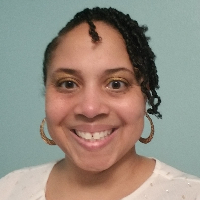
About Renisha
Renisha Oubre is a Licensed Professional Counselor (LPC) in Louisiana with 12 years of experience. She works with adults who are dealing with mood-related concerns such as depression, bipolar symptoms, anxiety, and stress, and she also helps with relationship and family issues and substance use concerns.
She uses a client-centered approach and takes a nondirective role in sessions. That means she listens first and aims to understand each person’s point of view. She checks for understanding and respects clients' autonomy while inviting honest feedback about the process.
Renisha adapts other methods as needed, drawing on cognitive behavioral techniques to address unhelpful thinking and behavioral patterns. She also uses elements of dialectical behavior therapy to teach emotional regulation and mindfulness tools to help ground difficult moments. Motivational interviewing is used when people are working to change habits like substance use.
In practical terms, sessions focus on clear goals and skills people can use between meetings. She works through communication problems, attachment and abandonment concerns, caregiver stress, and common parenting challenges. Her practice also addresses trauma, grief, anger, self-esteem, and issues related to neurodiversity such as autism and ADHD.
Renisha has experience across school and community settings and applies that background to counseling adults with varied life stressors. She expects clients to be active partners in the work and encourages open discussion about progress and adjustments to treatment as needed.
Therapeutic approaches and working online
Renisha commonly uses Cognitive Behavioral Therapy, which focuses on identifying unhelpful thoughts and changing behaviors that keep problems going. CBT can help with depression, anxiety, and coping with mood swings.She also draws on Dialectical Behavior Therapy skills to teach emotional regulation, distress tolerance, and improved interpersonal effectiveness. DBT tools can be useful when emotions feel overwhelming or when relationships are strained.
Finding the right approach is part of the work. She will review goals and preferences with each person and recommend methods that suit those aims. That decision is collaborative and may change as therapy progresses.
Session formats were not fully specified in the supplied biography, so confirm current online options before booking. Online sessions can make it easier to fit counseling into a busy week, cut out travel time, or allow shorter check-ins when schedules are tight. They can also accommodate people who prefer not to be on camera or who need lower bandwidth options. Licensed professionals adapt tools and exercises so they work in the session format the client chooses.
Areas of expertise
Primary focus
Also works with
Additional focus areas
Therapeutic approaches
Experience
12+ years
Credentials
Louisiana
Languages
English
Frequently asked questions
What concerns does she help with?
She supports people facing depression, bipolar symptoms, anxiety, stress, relationship and family problems, and issues with substance use.
What is her therapeutic style?
She takes a client-centered, nondirective approach and listens first, then uses other strategies like CBT or DBT as appropriate.
How much experience does she have?
She has 12 years of professional experience working in school and community settings.
What are her credentials and where is she located?
She is an LPC (Licensed Professional Counselor) practicing in Louisiana.
Does she offer sessions in other languages?
Sessions are offered in English.
Can international clients work with her?
She does not accept international clients at this time.
What formats are used in sessions?
The original biography mentions individual and family counseling; confirm current session options before booking.
How does payment and cost work?
Cost varies with location and sessions use a subscription that can be canceled at any time.
Before you reach out
- Check that the state license on record covers the state you live in.
- You do not need a diagnosis or the right words. Saying "my mood has been up and down" or "I have felt low for weeks" is a fine place to start.
- Counselors offer talking support. Questions about medication belong with a doctor or psychiatrist, and the two can go side by side.
- A profile shows the topics a counselor lists; it is not a diagnosis or a promise of any result.
If you feel unsafe right now, call or text 988, or call 911.