- Mood disorders
- Trauma and abuse
- Adolescent care
About Rhoda
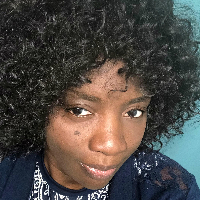
Rhoda Anang is an LPC - Licensed Professional Counselor practicing in Oklahoma with 11 years of experience. She has spent much of that time working in adolescent acute care, supporting teens aged 12 to 17 and sometimes younger, and has also worked with adults and older clients earlier in her career. She lists mood disorders, depression, anxiety, trauma and related concerns among the issues she addresses.
Rhoda uses straightforward, conversational sessions where clients talk through problems and try practical steps. She often draws on cognitive behavioral methods to help people notice thoughts and try different behaviors. She also incorporates client-centered ideas, motivational interviewing, solution-focused strategies, and trauma-focused work when they fit the situation.
Her experience includes individual, group, and family work in a psychiatric facility setting. That background informs how she handles crises, emotional distress, and complex cases involving trauma or abuse. She has worked with people facing parenting struggles, relationship strain, grief, self-harm concerns, and mood variability.
Rhoda emphasizes respect and cultural sensitivity. She aims to listen and respond to what each person brings, using practical tools and clear feedback rather than abstract language. Sessions tend to be interactive, with steps to practice between meetings.
She speaks English and Hausa, and notes a history of working across age groups and diverse backgrounds. Prospective clients should confirm current session options before booking and follow the site's steps to request a first appointment.
Approaches used in online sessions
Rhoda commonly uses cognitive behavioral therapy and trauma-focused therapy in her work. Cognitive behavioral therapy helps people identify unhelpful thoughts and test new behaviors, which can reduce low mood and anxiety by changing what people do and think. Trauma-focused therapy centers on addressing the aftereffects of abuse or hurtful events with techniques that help reduce distress and improve daily functioning.She also draws on client-centered principles and motivational interviewing to support collaboration. That means she listens to what matters most to the client and works together to set realistic goals. Deciding which approach to use is a joint process based on the person’s needs, goals, and preferences.
Confirm the specific session formats before booking, as the biography does not list them. Online work can make it easier to fit sessions into a busy life - for example, scheduling shorter check-ins during a work break or saving travel time. It can also allow people to continue care after an in-person stay or keep regular momentum when life is unpredictable. Ask about the available session formats when you request a first appointment to match logistics with your needs.
Areas of expertise
Also works with
Additional focus areas
Therapeutic approaches
Experience
11+ years
Credentials
Oklahoma
Languages
English, Hausa
Frequently asked questions
What concerns does she address?
She works with depression, anxiety, mood disorders, trauma and related issues such as grief, self-harm, and relationship problems.
What is her therapeutic style?
Sessions are interactive and conversational. She uses practical methods like CBT alongside client-centered listening and solution-focused techniques.
How much clinical experience does she have?
She has 11 years of experience, including several years providing acute adolescent care in a psychiatric facility.
What credential does she hold and where is she based?
She is an LPC - Licensed Professional Counselor practicing in Oklahoma.
Which languages are supported?
Sessions are offered in English and Hausa.
Can international clients work with her?
She does not accept international clients at this time.
How are sessions paid for?
Cost varies with location and sessions use a subscription model that can be canceled at any time.
What do I do to start?
Select the See online therapy options button, complete a short matching questionnaire, and schedule a first session.
Before you reach out
- Check that the state license on record covers the state you live in.
- You do not need a diagnosis or the right words. Saying "my mood has been up and down" or "I have felt low for weeks" is a fine place to start.
- Counselors offer talking support. Questions about medication belong with a doctor or psychiatrist, and the two can go side by side.
- A profile shows the topics a counselor lists; it is not a diagnosis or a promise of any result.
If you feel unsafe right now, call or text 988, or call 911.