- Anxiety
- Depression
- Addictions
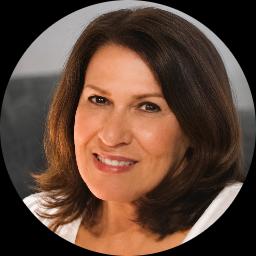
About Rosemarie
Rosemarie Oddo is an LCSW (Licensed Clinical Social Worker) with 12 years of practice based in New York. She works with adults who are managing stress, anxiety, addictions, low self-esteem, depression, and the changes that come with life transitions. Rosemarie speaks English and uses practical, evidence-based strategies in sessions.
She focuses on clear goals and building coping skills. Sessions look at thought patterns, daily habits, and ways to reduce intense mood swings or long low periods. She mixes cognitive strategies with mindfulness and meditation to help people notice thoughts and calm reactivity.
Rosemarie draws on a strengths-based, client-centered style. She helps people identify what already works in their life and expand on those skills. Practical exercises and home practice are common, so sessions often include steps to try between meetings.
Her work also addresses relational and identity concerns that affect mood. This includes abandonment and attachment worries, communication problems, isolation or loneliness, and navigating divorce or separation. She also supports people coping with caregiver stress, body image issues, and life purpose questions.
Substance use and impulsivity are within her focus areas, including drug and alcohol addiction and related co-morbidity. She also notes experience with dissociation, feelings of emptiness, forgiveness work, and living with HIV/AIDS. Rosemarie asks clients to complete a short matching questionnaire to schedule a first session and notes that sessions use a subscription that can be canceled at any time.
How Rosemarie uses evidence-based approaches online
Rosemarie uses evidence-based therapeutic techniques in straightforward ways. Cognitive-based methods focus on identifying and challenging unhelpful thought patterns. This helps with persistent low mood, rumination, and anxiety by teaching practical ways to reframe thoughts and try different behaviors.She also integrates mindfulness and meditation practices to help reduce emotional reactivity. These practices teach simple attention and breathing skills to calm stress and ground someone during strong emotions. When substance use or impulsivity are present, sessions include coping plans and step-by-step strategies to manage urges and risky moments.
Choosing the right approach is part of the work together. She collaborates with each person to match techniques to their goals, preferences, and day-to-day reality. That means methods can shift over time as progress and needs change.
If you want to know how online sessions are arranged, please confirm current session options before booking. The practical benefits of online therapy include fitting sessions into a busy day, making shorter check-ins easier, and avoiding travel time. It can also allow someone to continue work on mood and coping skills from wherever they are located in New York, while the therapist and client decide together which techniques to focus on next.
Areas of expertise
Additional focus areas
Experience
12+ years
Credentials
New York
Languages
English
Frequently asked questions
What kinds of mood concerns does she address?
She works with stress, anxiety, depression, low self-esteem, and coping with life changes, plus related issues such as isolation and loss of purpose.
What therapeutic style should I expect?
The approach is client-centered and strengths-based, using practical strategies to identify goals and build coping skills.
How much clinical experience does she have?
She has 12 years of clinical experience working with adults on mood and related concerns.
What are her credentials and where is she located?
She is an LCSW (Licensed Clinical Social Worker) licensed in New York and practices from that state.
Which languages are supported in sessions?
Sessions are offered in English.
Can people outside the US work with her?
She does not accept international clients at this time.
How are sessions paid for?
Sessions use a subscription model that can be canceled at any time and costs vary with location.
How do I begin working with her?
Start by selecting the See online therapy options button, complete a short matching questionnaire, and schedule a first session.
Before you reach out
- Check that the state license on record covers the state you live in.
- You do not need a diagnosis or the right words. Saying "my mood has been up and down" or "I have felt low for weeks" is a fine place to start.
- Counselors offer talking support. Questions about medication belong with a doctor or psychiatrist, and the two can go side by side.
- A profile shows the topics a counselor lists; it is not a diagnosis or a promise of any result.
If you feel unsafe right now, call or text 988, or call 911.