- Stress and anxiety
- Addictions support
- Mood disorders focus
About Sacra
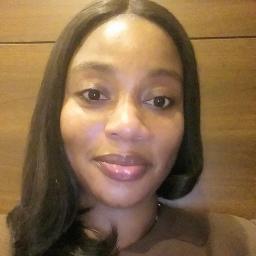
Sacra Durandisse is a Licensed Clinical Professional Counselor, LCPC, and a Licensed Mental Health Counselor, LMHC, with 27 years of experience based in Maryland. She works with stress, anxiety, addictions, trauma and abuse, self-esteem, and coping with life changes, and she lists mood disorders among her focus areas. She speaks English and accepts international clients.
She frames clients as the experts in their own stories and looks for strengths to build on. Sessions aim to identify practical steps someone can use between meetings. Conversations are direct and plain, focused on what is getting in the way and what can change next.
Her background includes long clinical experience helping people with motivation, confidence, and post-traumatic stress concerns. She also addresses communication problems, control issues, divorce and separation, guilt and shame, and workplace problems. Money and financial stress, social anxiety and self-love are part of her practice too.
In sessions she listens for patterns that keep problems repeating and works with clients to try alternatives. She supports people who want clearer boundaries, better coping skills, and steadier moods. Progress is paced to what each person can manage.
To begin, a prospective client completes a short matching questionnaire and schedules a first session. The service uses a subscription model that can be canceled at any time, and costs vary with location.
Approaches used in online sessions and practical benefits
Evidence-based therapeutic techniques can include work on coping skills and trauma-informed methods that focus on understanding reactions and practicing different responses. Coping-skills approaches teach specific tools for managing anxiety, mood swings, cravings, and strong urges so someone has concrete steps to try between sessions. Trauma-informed work looks at how past events affect current behavior and helps people reduce their reactivity and rebuild a calmer routine.Finding the right approach is part of the work. The therapist will collaborate with each client to identify which techniques fit their goals and preferences. That means trying different strategies, checking how they feel, and adjusting the plan as needed rather than committing to a single method up front.
Practical benefits of online therapy include easier scheduling and the ability to fit sessions into a workday or other commitments. Online sessions can make it simpler to maintain regular contact when travel or distance would otherwise interrupt care. Session formats are not listed in the biography, so confirm current options before booking. The overall aim is to make meeting with a licensed professional more manageable while focusing on skills to stabilize mood and handle day-to-day stress.
Areas of expertise
Additional focus areas
Experience
27+ years
Credentials
Maryland, Washington, Virginia
Languages
English
Frequently asked questions
What concerns does she work with?
She works with stress, anxiety, addictions, trauma and abuse, self-esteem issues, and coping with life changes, with mood disorders listed among her focus areas.
What is her therapeutic style?
She uses evidence-based therapeutic techniques and focuses on practical steps. Conversations are straightforward and look for strengths to build on.
How much experience does she have?
She has 27 years of professional experience working with a range of mental health concerns.
What are her credentials and location?
She holds LCPC and LMHC credentials and practices from Maryland.
Can I work with her if I live outside the United States?
She accepts international clients and conducts sessions in English.
Which session formats are offered?
Session formats are not specified in the biography; please confirm current session options before booking.
How much do sessions cost?
Cost varies with location and services, and sessions use a subscription that can be canceled at any time.
How do I get started?
Select the See online therapy options button, complete a short matching questionnaire, and schedule a first session.
Before you reach out
- Check that the state license on record covers the state you live in.
- You do not need a diagnosis or the right words. Saying "my mood has been up and down" or "I have felt low for weeks" is a fine place to start.
- Counselors offer talking support. Questions about medication belong with a doctor or psychiatrist, and the two can go side by side.
- A profile shows the topics a counselor lists; it is not a diagnosis or a promise of any result.
If you feel unsafe right now, call or text 988, or call 911.