- Depression support
- Anxiety management
- Communication skills
About Sanjae
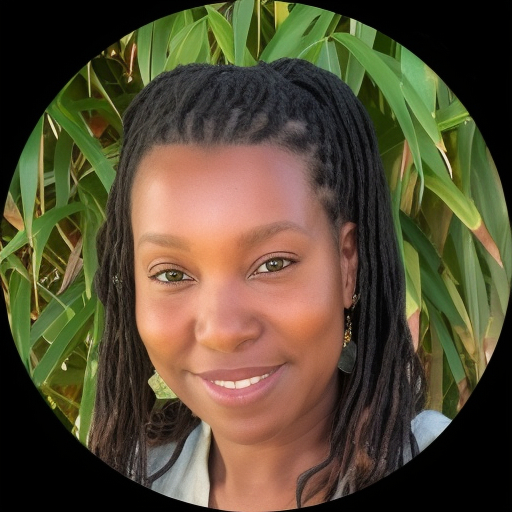
Sanjae Edwards is a Licensed Clinical Social Worker (LCSW) practicing in Florida with 20 years of experience. She works with people facing depression, anxiety, stress, relationship difficulties, self-esteem problems, and life changes. Sessions are conducted in English and focus on practical steps clients can use between meetings.
She helps people cope with mood swings and prolonged low periods by breaking problems into manageable parts. Conversations center on what is happening now, patterns that keep problems going, and small changes that reduce distress. She also addresses panic attacks, social anxiety, and communication problems that affect daily life.
Her background includes long clinical experience seeing a wide range of concerns connected to mood. She draws on evidence-based therapeutic techniques to shape sessions, using exercises and strategies that clients can test and adapt. The emphasis is on learning skills rather than only talking about feelings.
Sanjae pays attention to cultural context and personal identity when planning work together. That means she asks about a person's background and what matters to them before suggesting coping strategies. She encourages self-love and resilience through concrete practices and clear goal-setting.
For people wanting a simple first step, she guides a short plan for change that includes small behavioral shifts and communication tools. Clients leave sessions with specific actions to try between meetings and a focus for the next appointment.
Evidence-based approaches and online care
Two evidence-based techniques often used in this practice are behavioral activation and cognitive strategies. Behavioral activation focuses on small, manageable actions that increase rewarding activity and reduce withdrawal, which can help with low mood and loss of interest. Cognitive strategies involve identifying unhelpful thoughts and testing them with practical experiments to reduce anxiety and negative self-evaluation.Another common approach is skills-based work for anxiety and panic. This includes breathing and grounding exercises, short exposure-style practice for social fears, and communication skills to reduce conflict. These tools aim to reduce symptoms and give people clearer steps to try between appointments.
Finding the right blend of approaches is part of the work together. The therapist will review your concerns, goals, and preferences and suggest techniques to try. You and the therapist adjust the plan as you learn what helps.
Confirm current session options before booking since specific formats are not listed in the biography. Online sessions can make it easier to fit appointments into a busy week, allow shorter check-ins when needed, and remove travel time. If you need clear ways to practice skills between meetings, the therapist can recommend focused homework and follow-up steps.
Areas of expertise
Primary focus
Additional focus areas
Experience
20+ years
Credentials
Florida
Languages
English
Frequently asked questions
What concerns does she help with?
She works with stress, anxiety, depression, relationship issues, self-esteem, coping with life changes, mood disorders, panic attacks, self-love, social anxiety, and communication problems.
What is her therapeutic style?
She uses evidence-based therapeutic techniques focused on practical skills and behavior change. Sessions emphasize exercises and tools clients can use between meetings.
How much clinical experience does she have?
She has 20 years of experience working with clients on mood and related concerns.
What credentials and where is she based?
She is a Licensed Clinical Social Worker, FL LCSW, based in Florida.
Which languages are supported?
Sessions are offered in English.
Can international clients work with her?
International clients are not currently accepted.
How are sessions priced?
Cost varies with location and sessions use a subscription that can be canceled at any time.
How do I begin a first session?
Select the See online therapy options button, complete a short matching questionnaire, and schedule a first session.
Before you reach out
- Check that the state license on record covers the state you live in.
- You do not need a diagnosis or the right words. Saying "my mood has been up and down" or "I have felt low for weeks" is a fine place to start.
- Counselors offer talking support. Questions about medication belong with a doctor or psychiatrist, and the two can go side by side.
- A profile shows the topics a counselor lists; it is not a diagnosis or a promise of any result.
If you feel unsafe right now, call or text 988, or call 911.