- Attachment work
- DBT skills
- Emotion-focused work
About Sara
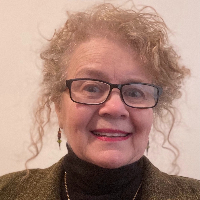
Sara Tinker is a Tennessee licensed clinical social worker (LCSW) with 26 years of experience. She works with people facing stress, anxiety, depression, mood swings, relationship strain, trauma, grief, and related concerns. Sara draws on long experience to support practical changes and clearer choices.
Sara uses a mix of approaches to help people manage intense emotions and rebuild connection. She combines attachment-based ideas with client-centered listening and skills from Dialectical Behavior Therapy to help with emotion regulation. She also integrates Emotionally-Focused Therapy and existential perspectives to address meaning, loss, and relationship patterns.
Her background includes graduate social work training and decades of clinical work across settings. Sara has worked in community mental health, adolescent psychiatric and addiction services, in-home treatment, and independent practice. Earlier study in exercise physiology and stress perception informs her interest in body-mind connections.
Sara has worked with people affected by trauma, addiction, chronic illness, and complex family situations. She also has experience with issues such as attachment and abandonment, blended family dynamics, body image, caregiver stress, and sexual and alternative culture concerns. She draws on a range of methods to match clinical needs to practical goals.
Sara emphasizes a direct, interactive style that focuses on respectful listening, clear communication, and developing tools for everyday life. People who want grounded, experienced support for mood-related struggles and relationship difficulties may find her approach useful. To begin, follow the site's matching process to schedule a first session.
Therapeutic approaches offered and online sessions
Attachment-Based Therapy centers on how past relationship patterns shape current emotions and reactions. It helps people who struggle with closeness, abandonment fears, or recurrent relationship conflict understand and change those patterns.Client-Centered Therapy focuses on attentive listening and helping the person set the agenda. This approach supports clearer self-understanding and practical problem solving for stress, low mood, and life transitions.
Dialectical Behavior Therapy (DBT) brings concrete skills for managing intense emotions, improving distress tolerance, and strengthening interpersonal effectiveness. These tools can be useful for mood instability and anger management.
Finding the right approach is part of the work. The therapist will collaborate with the client to decide which methods best match goals, preferences, and the presenting concerns. That choice can be adjusted as therapy progresses.
Confirm the current session formats before booking so you know what is offered. The online option can make it easier to fit sessions around work, caregiving, or busy days. Some session types may allow shorter check-ins, audio-only calls that use less bandwidth, or scheduled appointments that reduce travel time. Discuss practical scheduling and format needs during the matching process so sessions fit everyday life.
Areas of expertise
Primary focus
Also works with
Additional focus areas
Therapeutic approaches
Experience
26+ years
Credentials
Tennessee
Languages
English
Frequently asked questions
What kinds of mood concerns does she address?
Sara works with stress, anxiety, depression, mood swings, bipolar-related struggles, and related emotional difficulties.
What therapy style does she use in sessions?
She blends attachment-based work, client-centered listening, DBT skills, and emotionally-focused approaches to address emotion regulation and relationship patterns.
How much clinical experience does she have?
She has 26 years of clinical experience across community mental health, adolescent psychiatry and addiction services, and independent practice.
What are her credentials and where does she practice?
She is an LCSW licensed in Tennessee and practices with that state credential.
Does she offer sessions in other languages?
Sessions are offered in English only.
Can I have sessions remotely or internationally?
International clients are not accepted. Confirm current session format options before booking to know which session types are offered.
How is payment handled and what does it cost?
Cost varies by location and sessions use a subscription that can be canceled at any time; check the platform details for exact fees.
How do I start a first session?
Select the See online therapy options button, complete the short matching questionnaire, and schedule your first session through the platform.
Before you reach out
- Check that the state license on record covers the state you live in.
- You do not need a diagnosis or the right words. Saying "my mood has been up and down" or "I have felt low for weeks" is a fine place to start.
- Counselors offer talking support. Questions about medication belong with a doctor or psychiatrist, and the two can go side by side.
- A profile shows the topics a counselor lists; it is not a diagnosis or a promise of any result.
If you feel unsafe right now, call or text 988, or call 911.