- Client-centered methods
- Cognitive behavioral tools
- Solution-focused steps
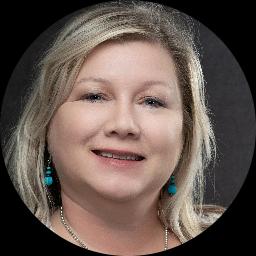
About Sarah
Sarah Bonnette is a Licensed Clinical Social Worker with an LCSW and an LISW in Ohio and more than 20 years of experience. She works with adults who are coping with stress, anxiety, depression, grief, trauma, compassion fatigue, parenting concerns, and changes in life circumstances.
She has spent two decades supporting people in a range of settings, including work related to foster care and adoption, intellectual and developmental disabilities, and first responder issues. Her background includes helping people manage anger, low self-esteem, impulsivity, and the loneliness that can follow major life changes.
In sessions she uses client-centered methods that focus on the person in front of her. She also draws on cognitive behavioral strategies to identify unhelpful thinking and solution-focused techniques to set reachable steps forward. Trauma-focused practices are used when past events are getting in the way of day-to-day life.
Sarah tends to work in a practical, goal-oriented way. She listens, helps clarify priorities, and breaks larger problems into manageable actions. This can include plans for coping with work stress, parenting pressures, or ongoing worry.
Her experience includes supporting people who are hearing impaired, those with autism or intellectual disability, and those affected by domestic violence or disasters. People who choose her often want straightforward tools and clear next steps for dealing with mood changes and life stressors.
How her approaches translate to online sessions
Sarah uses client-centered therapy to focus on each person's perspective and priorities. This approach means sessions often begin by exploring what matters most to the person and then shaping work around those aims. Cognitive Behavioral Therapy (CBT) is used to identify patterns of thought and behavior that contribute to low mood and to practice concrete techniques for changing them. Solution-Focused Therapy concentrates on small, achievable steps that move a person toward short-term goals and improved day-to-day coping.Choosing the right approach is part of the work together. Sarah will discuss options and help decide which methods fit best with a person's goals, preferences, and current needs. That decision is collaborative and can be adjusted as progress is made.
Session formats are not specified in the biography, so confirm current options before booking. Online sessions can make it easier to fit therapy into a busy week, allow shorter check-ins when needed, and remove travel time. They also let people continue work when life changes make in-person visits harder. Ask about which session formats are available when you schedule so you can pick what fits your routine.
Areas of expertise
Also works with
Additional focus areas
Therapeutic approaches
Experience
20+ years
Credentials
Ohio, Maine, Nevada, Connecticut
Languages
English
Frequently asked questions
What concerns does she help with?
She works with stress, anxiety, depression, grief, trauma, compassion fatigue, parenting and related life changes.
What is her general approach in sessions?
Her style is client-centered with practical, solution-focused work and use of cognitive behavioral techniques when helpful.
How much experience does she have?
She has more than 20 years of experience working with children, adults, and families in a variety of settings.
What credentials does she hold and where is she based?
She holds LCSW and LISW credentials and practices in Ohio.
Which languages are supported for sessions?
Sessions are offered in English.
Can people outside the United States work with her?
She does not accept international clients at this time.
How are sessions scheduled and what is the cost structure?
Cost varies with location; sessions use a subscription that can be canceled at any time.
How do I begin if I want to work together?
Use the See online therapy options button, complete a short matching questionnaire, and schedule a first session.
Before you reach out
- Check that the state license on record covers the state you live in.
- You do not need a diagnosis or the right words. Saying "my mood has been up and down" or "I have felt low for weeks" is a fine place to start.
- Counselors offer talking support. Questions about medication belong with a doctor or psychiatrist, and the two can go side by side.
- A profile shows the topics a counselor lists; it is not a diagnosis or a promise of any result.
If you feel unsafe right now, call or text 988, or call 911.