- CBT and DBT methods
- Psychodynamic insight
- Caregiver stress focus
About Sarah
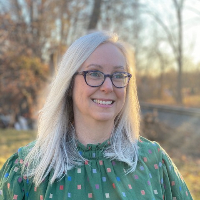
Sarah DuVall Murray is a Licensed Clinical Social Worker (LCSW) in New Jersey with 12 years of clinical experience. She works with adults dealing with stress, anxiety, depression, mood swings, grief, relationship and family concerns, and caregiver strain. Sarah emphasizes practical support and clear communication in sessions.
She uses Cognitive Behavioral Therapy (CBT), Dialectical Behavior Therapy (DBT), and psychodynamic ideas when they fit a person's needs. Sessions often include talking through current problems, identifying unhelpful thinking patterns, and learning skills to manage intense emotions. She also shares readings and resources when helpful.
Her background includes outpatient and inpatient treatment, work in psychiatric emergency services, and community mental health with adults who have serious mental illness. This range shapes a pragmatic approach to complex situations and crises. She holds a Master of Social Work from Virginia Commonwealth University and a Bachelor of Arts from the University of the South in Sewanee, Tennessee.
In practical terms, Sarah focuses on helping people tolerate and make meaning of distress rather than promising its removal. She listens closely and works collaboratively on realistic goals. Sessions are intended to be direct and useful, mixing skills training with reflection on patterns that keep problems going.
People seeking help for mood disorders, bipolar mood fluctuations, or ongoing low mood may find this approach relevant. Before scheduling, readers should confirm current session formats and logistical details through the booking flow.
How her approaches translate to online sessions
Sarah uses Cognitive Behavioral Therapy to help people identify unhelpful thoughts and try new behaviors. CBT sessions often focus on small, practical steps to change mood and reduce worry. She also uses Dialectical Behavior Therapy skills for managing strong emotions and improving coping. DBT work can include learning techniques for distress tolerance and emotion regulation in everyday moments. Finding the right approach is part of the work. She will discuss your goals and preferences and collaborate on whether CBT, DBT, psychodynamic exploration, or a mix makes sense. The plan can change as needs evolve. Confirm the available session formats before booking, as specific online options are not listed here. Online sessions can make it easier to fit therapy into a day, reduce travel time, and allow shorter check-ins when needed. Talk with her during the matching and scheduling steps to clarify how sessions will be run and what will fit your routine.Areas of expertise
Primary focus
Also works with
Additional focus areas
Therapeutic approaches
Experience
12+ years
Credentials
New Jersey
Languages
English
Frequently asked questions
What concerns does she address?
She helps adults with stress, anxiety, depression, grief, relationship and family problems, caregiver stress, mood disorders, and related issues.
What methods does she use in sessions?
She draws on Cognitive Behavioral Therapy, Dialectical Behavior Therapy, and psychodynamic ideas to match a person’s needs.
How much clinical experience does she have?
She has 12 years of experience working in outpatient and inpatient settings and psychiatric emergency services.
What are her credentials and location?
She is a Licensed Clinical Social Worker (LCSW) in New Jersey.
Which languages are supported?
Sessions are offered in English.
Does she work with international clients?
She does not accept international clients at this time.
How much do sessions cost?
Costs vary with location; sessions use a subscription that can be canceled at any time.
How do I begin the process?
Select the See online therapy options button, complete the short matching questionnaire, and schedule a first session.
Before you reach out
- Check that the state license on record covers the state you live in.
- You do not need a diagnosis or the right words. Saying "my mood has been up and down" or "I have felt low for weeks" is a fine place to start.
- Counselors offer talking support. Questions about medication belong with a doctor or psychiatrist, and the two can go side by side.
- A profile shows the topics a counselor lists; it is not a diagnosis or a promise of any result.
If you feel unsafe right now, call or text 988, or call 911.