- CBT methods
- Client-centered work
- DBT skills integration
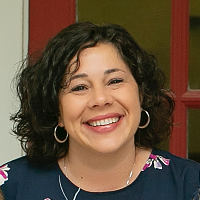
About Sarah
Sarah Heyn is a Licensed Clinical Social Worker (LCSW) in Wisconsin with eight years of clinical experience. She has worked in community clinics, a personal Christian counseling office, and completed graduate internships at UW Hospital and the VA Hospital in Madison. She helps people who are coping with depression, anxiety, stress, relationship challenges, ADHD, substance use, grief, and LGBTQ concerns.
Sarah uses a strengths-based, client-centered style. She treats people as the experts in their own lives and works alongside them to set practical goals. Sessions focus on combining a person's strengths with specific tools drawn from cognitive behavioral and solution-focused approaches.
Her background includes work with adults facing parenting concerns, life transitions, self-esteem struggles, intimacy issues, sleeping and eating problems, and bipolar mood challenges. She has experience addressing addiction and trauma and supports people working through communication and commitment issues.
Sarah offers clear expectations about what she can and cannot provide. She does not write letters for courts, lawyers, or medical professionals, but she will talk through ways to advocate for yourself within those systems. She responds to messages during business hours and schedules live video or phone sessions weekdays between 10 a.m. and 2 p.m.
Her practical focus is on developing action plans clients can use after therapy ends. People leave sessions with concrete coping steps and skills to manage future stressors. The work aims to reduce overwhelming symptoms and increase the ability to handle everyday life demands.
Therapeutic approaches used in online sessions
Sarah commonly uses Client-Centered Therapy and Cognitive Behavioral Therapy (CBT) in her online work. Client-Centered Therapy focuses on listening and building on a person's strengths so they can set their own goals and make choices about change. CBT involves identifying unhelpful thoughts and behaviors and practicing new skills to reduce symptoms like low mood or anxiety.She also draws on Dialectical Behavior Therapy (DBT) skills to teach emotion regulation, distress tolerance, and interpersonal effectiveness when those skills match a client's needs. These DBT tools are practical and can help with mood swings, intense emotions, and relationship conflicts.
Finding the right approach is a collaborative process. The therapist works with each person to decide which methods fit their goals and preferences. That may mean trying different tools and adjusting the plan based on how well they help with day-to-day problems.
Confirm the current session options before booking to know which formats she is offering. Online work can make it easier to fit therapy into a busy day, allow shorter check-ins when needed, and let people choose sessions that match their energy and schedule. The aim is to make therapy practical and usable in everyday life.
Areas of expertise
Primary focus
Also works with
Additional focus areas
Therapeutic approaches
Experience
8+ years
Credentials
Wisconsin
Languages
English
Frequently asked questions
What concerns does she address?
She works with stress, anxiety, depression, mood swings, relationship and parenting concerns, addiction, grief, ADHD, and LGBTQ specific issues.
What methods does she use in sessions?
She uses a client-centered approach and mixes tools from Cognitive Behavioral Therapy, Dialectical Behavior Therapy, Solution-Focused Therapy, Imago Relationship Therapy, and Motivational Interviewing depending on goals.
How much clinical experience does she have?
She has eight years of clinical experience including work in community clinics, a personal counseling office, and internships at UW Hospital and the VA Hospital in Madison.
What are her credentials and where does she practice?
She is an LCSW licensed in Wisconsin and practices with that credential in Wisconsin.
Which languages are supported for sessions?
Sessions are offered in English.
Can people outside the US work with her?
She is not currently accepting international clients.
How are session costs handled?
Fees vary by location and sessions use a subscription that can be canceled at any time.
How do I start a first session?
Select the See online therapy options button, complete the short matching questionnaire, and schedule your first session.
Before you reach out
- Check that the state license on record covers the state you live in.
- You do not need a diagnosis or the right words. Saying "my mood has been up and down" or "I have felt low for weeks" is a fine place to start.
- Counselors offer talking support. Questions about medication belong with a doctor or psychiatrist, and the two can go side by side.
- A profile shows the topics a counselor lists; it is not a diagnosis or a promise of any result.
If you feel unsafe right now, call or text 988, or call 911.