- Depression
- Anxiety
- Gottman Method
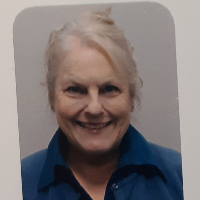
About Sarah
Sarah Ross is a Licensed Mental Health Counselor (LMHC) in Washington with 27 years of experience working with depression, anxiety, relationship and family concerns, grief and loss, and mood disorders. She has held roles such as clinical supervisor and clinic director and has provided care in community mental health, drug court, and marital counseling settings. Sarah also has experience supporting people facing substance use issues, chronic mental illness, and the challenges of being an adult child of an alcoholic.
She uses a straightforward, interactive style in sessions. She listens for patterns that may be holding someone back and points them out so clients can notice a new perspective. Sarah explains that therapy usually takes commitment from both people in the room and that change builds over time rather than happening instantly.
Her approach draws on several methods to match how a person learns and changes. Cognitive Behavioral Therapy ideas are part of her work, alongside psychodynamic thinking about deeper patterns. She also uses client-centered ideas to focus on the individual’s concerns and the Gottman Method when relationship communication is a key issue.
In practice she mixes practical skills and reflective work. That can mean learning communication techniques, testing new behaviors between sessions, and looking at where past experiences shape current choices. She pays attention to grief and loss and to workplace or parenting strain when those issues are present.
Sarah aims to be nonjudgmental and encouraging while also offering direct observations when they can lead to insight. People who want a clear, experienced guide for persistent low mood, relationship conflict, or difficult life changes may find her approach helpful.
Therapeutic approaches used in online work
Client-Centered Therapy focuses on listening and responding to what the person brings. It emphasizes acceptance and helps people identify what matters most to them and how they want to change.Cognitive Behavioral Therapy (CBT) breaks problems into thoughts, feelings, and actions. It teaches practical skills to test unhelpful thoughts and try new behaviors, which can be useful for low mood and anxiety.
The Gottman Method offers concrete tools for communication and problem-solving in relationships. It helps people improve how they talk about conflicts and rebuild connection when trust and communication have weakened.
Finding the right blend of approaches is part of how she works. The therapist and client decide together which ideas to focus on, based on the client's goals, preferences, and what shows up in early sessions. That collaborative choice helps shape clear short-term targets and longer-term work.
Session formats supported by this profile are not specified in the biography, so confirm current session options before booking. Online sessions can make it easier to fit therapy into a busy life, reduce travel time, and allow for shorter check-ins when schedules are tight. They also let people use methods like CBT homework, communication exercises, and mindfulness practices between sessions to keep progress moving.
Areas of expertise
Primary focus
Also works with
Additional focus areas
Therapeutic approaches
Experience
27+ years
Credentials
Washington
Languages
English
Frequently asked questions
What kinds of issues does she help with?
She works with stress, anxiety, depression, relationship and family concerns, grief and mood disorders among other life changes.
What methods does she use in sessions?
She uses a mix of Client-Centered Therapy, Cognitive Behavioral Therapy, psychodynamic ideas, Mindfulness, and the Gottman Method depending on the person's needs.
How much experience does she have?
She has 27 years of clinical experience and has worked as a clinical supervisor and clinic director in community and court-related settings.
What are her credentials and where is she based?
She is a Licensed Mental Health Counselor, LMHC, licensed in Washington and practices from that state.
Which languages are supported in sessions?
Sessions are offered in English.
Does she work with international clients?
International clients are not currently accepted.
How does payment and cost work?
Cost varies with location; sessions use a subscription that can be canceled at any time.
What do I do to begin?
Select the See online therapy options button, complete the short matching questionnaire, and schedule a first session.
Before you reach out
- Check that the state license on record covers the state you live in.
- You do not need a diagnosis or the right words. Saying "my mood has been up and down" or "I have felt low for weeks" is a fine place to start.
- Counselors offer talking support. Questions about medication belong with a doctor or psychiatrist, and the two can go side by side.
- A profile shows the topics a counselor lists; it is not a diagnosis or a promise of any result.
If you feel unsafe right now, call or text 988, or call 911.