- Mood disorders
- CBT and mindfulness
- Trauma-informed work
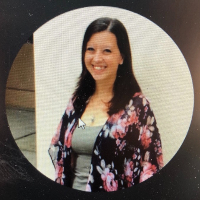
About Sarah
Sarah Steingiser is a Licensed Clinical Social Worker (LCSW) with six years of clinical experience based in Connecticut. She works with people facing stress, anxiety, depression, relationship and family concerns, trauma and abuse, and attention-related challenges. Sarah often helps with anger, self-esteem, grief, parenting struggles, and coping with life changes.
She has practiced in outpatient settings, child welfare, addiction treatment, nursing homes, and extended day treatment programs for children. That range has given her experience with many presenting problems across a wide age span. Her background includes work with people affected by physical trauma and emotional abuse.
Sarah describes a conversational, interactive counseling style. Sessions focus on practical steps and on reflecting what’s most important to the person in front of her. She uses client-centered work to listen and build collaboration, and she draws on cognitive behavioral ideas to identify patterns that feed low mood or anxiety.
She also uses mindfulness and solution-focused methods to develop concrete coping skills and short-term plans for change. Trauma-focused approaches are applied when past harm influences current reaction patterns. Sarah aims to reduce stigma in how she talks about mental health and avoids labeling people.
Her LCSW credential is listed as CT LCSW. Sessions are offered in English. Before a first appointment she asks people to complete a brief matching questionnaire and then schedule an initial session through the online options button.
How her approaches translate to online sessions
Client-centered therapy focuses on listening and collaboration. Online sessions using this approach let the therapist and client set goals together and shape each meeting around the person’s concerns. Cognitive Behavioral Therapy (CBT) looks at thoughts and behaviors that keep mood and anxiety problems going. Online CBT sessions typically include practical exercises, simple homework, and step-by-step plans to change unhelpful patterns.Finding the right mix of methods is part of the early work. Sarah will talk with each person about goals, preferences, and what feels most useful. Together they choose whether to emphasize listening and reflection, skill-building with CBT, or mindfulness practices to manage symptoms.
Session formats are not specified in the biography, so confirm current options before booking. Online work can make it easier to fit therapy into a regular routine, shorten travel time, and allow for brief check-ins between longer appointments when needed. It also supports using worksheets, guided mindfulness, and other practical tools during the session without changing how the approaches work.
Areas of expertise
Primary focus
Also works with
Additional focus areas
Therapeutic approaches
Experience
6+ years
Credentials
Connecticut
Languages
English
Frequently asked questions
What concerns does she address?
She works with stress, anxiety, depression, relationship and family issues, trauma and attention-related challenges among other concerns.
What is her therapeutic approach?
Her style is conversational and interactive, combining client-centered listening with cognitive behavioral, mindfulness, solution-focused, and trauma-focused techniques.
How much experience does she have?
She has six years of professional experience working in outpatient care, child welfare, addiction treatment, nursing homes, and extended day programs.
What credentials and location are listed?
She is a Licensed Clinical Social Worker listed as CT LCSW and practices from Connecticut.
Which languages are sessions offered in?
Sessions are offered in English.
Does she work with international clients?
International clients are not currently accepted.
How are sessions priced?
Cost varies with location and sessions use a subscription that can be canceled at any time.
How do I begin booking a session?
Select the See online therapy options button, complete a short matching questionnaire, and then schedule your first session.
Before you reach out
- Check that the state license on record covers the state you live in.
- You do not need a diagnosis or the right words. Saying "my mood has been up and down" or "I have felt low for weeks" is a fine place to start.
- Counselors offer talking support. Questions about medication belong with a doctor or psychiatrist, and the two can go side by side.
- A profile shows the topics a counselor lists; it is not a diagnosis or a promise of any result.
If you feel unsafe right now, call or text 988, or call 911.