- Stress and anxiety
- Trauma and abuse
- Self esteem and mood
About Sasha
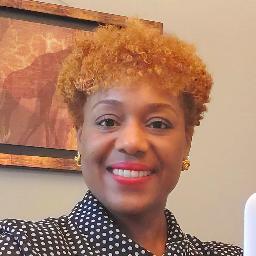
Sasha Little is a Licensed Professional Counselor (LPC) in Georgia with four years of clinical experience. She focuses on stress, anxiety, relationship concerns, trauma and abuse, self esteem, and depression. Sasha speaks English and works with adults who want practical support for mood swings, low periods, and related challenges.
Sasha uses straightforward conversation to help clients name what feels difficult. She encourages clear, honest discussion about feelings and behavior. Sessions cover patterns that keep problems going, and small steps that can make day-to-day life easier.
She pays attention to how attachment and abandonment experiences affect current relationships. Sasha also addresses body image, guilt and shame, and issues tied to money, control, or life purpose. When trauma or panic symptoms appear, she helps people clarify what they notice and develop manageable coping options.
Sasha frames therapy as a collaborative process. She helps clients set short-term goals and looks for simple changes they can try between sessions. Conversations are aimed at concrete strategies rather than abstract theory.
Practical matters are part of the work. Sasha discusses communication skills, decision points around separation or divorce, and ways to rebuild self-love and confidence. She also supports people dealing with social anxiety, phobias, and panic attacks.
People who book a first session can expect clear direction and gentle challenge. Sasha explains ideas in plain language and helps clients track small improvements over time.
How her approaches are used in remote sessions
Evidence-based techniques focus on understanding patterns of thinking and behavior, and then trying small changes. One common approach looks at how thoughts influence mood and behavior, helping people test and change unhelpful thinking. This can help with low mood, worry, and panic symptoms. Another approach examines relationship and attachment patterns to clarify how past experiences affect current worries and communication problems.Finding the right method is part of the work. The therapist will collaborate with each person to pick approaches that fit their goals, needs, and comfort level. Sessions include checking what helps and adjusting methods as progress or obstacles appear.
Confirm which session formats are offered before booking since formats are not specified in the biography. Online sessions can make therapy easier to fit into work and family routines, reduce travel time, and allow brief check-ins when a full in-person visit is harder to schedule. Therapists and licensed professionals often use these options to keep care consistent with everyday life and responsibilities.
Areas of expertise
Primary focus
Additional focus areas
Experience
4+ years
Credentials
Georgia
Languages
English
Frequently asked questions
What concerns does she work with?
Sasha works with stress, anxiety, relationship issues, trauma and abuse, self esteem, and depression. She also addresses mood disorders, panic, and related problems.
What is her therapeutic style?
She uses plain, conversational therapy focused on identifying patterns and trying practical steps. Sessions aim for clear goals and small changes between meetings.
How much experience does she have?
Sasha has four years of professional experience as a counselor. That experience informs work with mood and relationship concerns.
What credential does she hold and where is she located?
She is a Licensed Professional Counselor (LPC) licensed in Georgia and practices with that credential.
Which languages are supported?
Sessions are offered in English.
Can people from other countries work with her?
She does not accept international clients at this time.
How are sessions paid for?
Cost varies with location and sessions use a subscription that can be canceled at any time.
How do I begin working with her?
Select the See online therapy options button, complete a short matching questionnaire, and schedule your first session.
Before you reach out
- Check that the state license on record covers the state you live in.
- You do not need a diagnosis or the right words. Saying "my mood has been up and down" or "I have felt low for weeks" is a fine place to start.
- Counselors offer talking support. Questions about medication belong with a doctor or psychiatrist, and the two can go side by side.
- A profile shows the topics a counselor lists; it is not a diagnosis or a promise of any result.
If you feel unsafe right now, call or text 988, or call 911.