- Depression support
- Anxiety and stress
- CBT and DBT methods
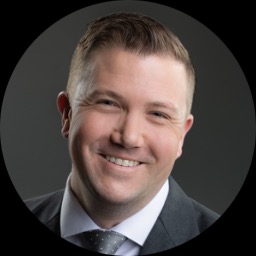
About Scott
Scott Durkin is an LCPC (Licensed Clinical Professional Counselor) in Nevada with five years of clinical experience. He works with people dealing with depression, bipolar symptoms, anxiety, stress, relationship challenges, and trauma and abuse. Scott also addresses related concerns such as abandonment, caregiver stress, communication problems, substance issues, and feelings of emptiness.
He previously led inpatient group therapy at a behavioral hospital in Reno, working with a wide range of ages. That experience shaped his practical, down-to-earth style and his comfort with complex or overlapping problems. He uses talk therapy alongside structured methods to help people manage symptoms and daily struggles.
Scott commonly uses cognitive behavioral approaches and dialectical behavior skills in sessions. Those methods focus on recognizing patterns of thought and building specific skills for emotion regulation and problem solving. He may also draw from other evidence-based techniques to match what a person needs.
Sessions are conversational and goal-focused. Scott prefers clear, concrete skills people can try between meetings, and he checks in on what is or isn’t working. He can incorporate discussions about faith when clients request a Christian perspective.
He offers services in English and does not accept international clients. Costs vary by location and use a cancellable subscription model. To begin, users follow the site flow to see online therapy options, complete a short matching questionnaire, and schedule their first session.
Approaches for mood and relationship concerns online
Scott frequently uses cognitive behavioral approaches to help people identify unhelpful thought patterns and try out different responses. CBT is useful for depression, anxiety, and stress because it focuses on small changes in thinking and behavior that can alter mood.He also uses dialectical behavior skills to teach emotion regulation, distress tolerance, and clearer communication. DBT-style skills can help when emotions feel overwhelming or when relationships become strained.
Finding the right approach is part of the work. Scott will collaborate with each person to choose methods that fit their goals and practical needs, and he adjusts strategies as progress is reviewed.
Session formats are not listed in the posted biography, so confirm current online options before booking. Online sessions can make it easier to fit therapy into daily life, for example by cutting commute time, allowing shorter check-ins during a workday, or avoiding a camera when that helps someone focus. Licensed professionals, including therapists like Scott, aim to match the format and pace to the client's schedule and comfort while working toward clearer coping skills and better day-to-day functioning.
Areas of expertise
Primary focus
Additional focus areas
Experience
5+ years
Credentials
Nevada
Languages
English
Frequently asked questions
What concerns does he help with?
He works with depression, bipolar symptoms, anxiety, stress, relationship difficulties, and trauma and abuse, plus related issues like substance problems and caregiver stress.
What is his therapeutic style?
Sessions are conversational and focused on practical skills. He often uses cognitive behavioral techniques and dialectical skills to address thinking patterns and emotion regulation.
How much clinical experience does he have?
He has five years of professional experience, including leading inpatient group therapy at a behavioral hospital in Reno.
What are his credentials and location?
He is an LCPC licensed in Nevada and practices in that state.
Which languages are offered?
Sessions are offered in English.
Can international clients work with him?
He does not accept international clients at this time.
How much do sessions cost?
Cost varies with location and sessions use a subscription that can be canceled at any time.
How do I start a first session?
Select the See online therapy options button, complete the short matching questionnaire, and schedule a first session through the site.
Before you reach out
- Check that the state license on record covers the state you live in.
- You do not need a diagnosis or the right words. Saying "my mood has been up and down" or "I have felt low for weeks" is a fine place to start.
- Counselors offer talking support. Questions about medication belong with a doctor or psychiatrist, and the two can go side by side.
- A profile shows the topics a counselor lists; it is not a diagnosis or a promise of any result.
If you feel unsafe right now, call or text 988, or call 911.