- CBT techniques
- Motivational Interviewing
- Client-centered work
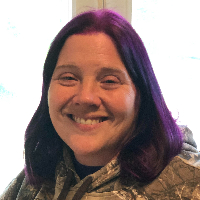
About Shannon
Shannon Gaiser is an LPC (Licensed Professional Counselor) in Pennsylvania with 17 years of clinical experience. She lists stress, anxiety, addictions, depression, bipolar, trauma and related concerns among her focus areas. Shannon describes working with people who want alternatives to traditional recovery programs and those who need support through life changes.
She draws on client-centered therapy to build a respectful, person-focused working relationship. Cognitive Behavioral Therapy (CBT) and Motivational Interviewing appear in her toolkit to address patterns of thought and motivation. Mindfulness and Acceptance and Commitment Therapy (ACT) techniques are also used to help people notice difficult feelings and decide what matters to them.
Shannon has a long history with addiction care, including years in inpatient and outpatient rehab settings and time supporting clients in independent practice alongside medication-assisted treatment. That background informs how she talks about recovery options and family boundary work. She also notes experience with grief, anger, self-esteem, parenting concerns, and family-of-origin issues.
Her approach favors direct conversation, practical steps, and looking at what a person wants to change. Sessions can include skills practice, motivational conversations, and attention to values and goals. She mentions alternatives to 12-step models and openness to medication-assisted approaches when appropriate.
Shannon provides services in English and accepts international clients. Prospective clients are asked to use the site’s matching process to start the intake steps and schedule a first session.
Therapeutic approaches used and online sessions
Shannon often blends Cognitive Behavioral Therapy and Motivational Interviewing in her online work. CBT focuses on identifying and changing unhelpful thinking and behavior patterns, which can help with low mood and anxiety. Motivational Interviewing uses collaborative conversation to strengthen a person’s own reasons for making changes and is commonly used around substance use and ambivalence.She also incorporates client-centered principles, which means listening closely and adapting the pace to what a person prefers. Choosing the right mix of approaches is a shared decision; she will work with the client to see which tools fit their goals and circumstances.
The original biography lists text, video, and voice sessions, but prospective clients should confirm current session options before booking. Online sessions can make it easier to fit therapy into a busy day, allow shorter check-ins when needed, and let someone join without travel time. The therapist will discuss which session format works best for the client’s needs and daily routine.
Areas of expertise
Primary focus
Also works with
Additional focus areas
Therapeutic approaches
Experience
17+ years
Credentials
Pennsylvania
Languages
English
Frequently asked questions
What kinds of concerns does she address?
Her practice includes stress, anxiety, depression, bipolar symptoms, addiction, trauma, grief, relationship and family issues.
What methods does she use in sessions?
She uses client-centered therapy, cognitive behavioral therapy, motivational interviewing, mindfulness, and ACT to guide conversations and skill work.
How long has she been practicing?
She has 17 years of experience working in inpatient and outpatient settings and in independent practice.
Where is she licensed and practicing?
She is an LPC licensed in Pennsylvania.
Can I work with her if I live outside the U.S.?
Sessions are offered to international clients and are conducted in English.
What session formats are available?
The original biography mentions text, video, and voice sessions; confirm current session options before booking.
How does payment work?
Sessions use a subscription model that can be canceled at any time and costs vary with location.
How do I begin working with her?
Click the See online therapy options button, complete a short matching questionnaire, and schedule your first session.
Before you reach out
- Check that the state license on record covers the state you live in.
- You do not need a diagnosis or the right words. Saying "my mood has been up and down" or "I have felt low for weeks" is a fine place to start.
- Counselors offer talking support. Questions about medication belong with a doctor or psychiatrist, and the two can go side by side.
- A profile shows the topics a counselor lists; it is not a diagnosis or a promise of any result.
If you feel unsafe right now, call or text 988, or call 911.