- Cognitive Behavioral Therapy
- Mindfulness Therapy
- Emotionally-Focused Therapy
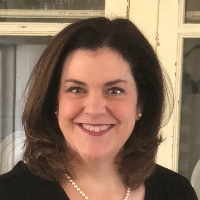
About Shannon
Shannon Madden is an LPC (Licensed Professional Counselor) in Arizona with 26 years of experience. She works with people facing stress, anxiety, depression, grief, bipolar mood concerns, sleep problems, anger, trauma and abuse, and career or family-related challenges. Her background includes crisis counseling, work with first responders, and roles in psychological health for the Arizona Army National Guard.
Shannon began in crisis response, supporting emergency responders and hospital patients. She later focused on PTSD and pre- and post-deployment care for service members. Over time she moved into leadership roles in intake and assessment at a behavioral health hospital and into Arizona's state crisis system. Those years shaped her practical, results-oriented approach to care.
Her main clinical lens is Cognitive Behavioral Therapy (CBT). She uses worksheets and structured exercises to identify the thoughts that drive feelings and behavior. Shannon also draws on neurobiology to explain how the brain changes and what people can do to speed improvement. She often uses light humor early in treatment to reduce tension and normalize reactions.
Shannon also incorporates Client-Centered Therapy, Emotionally-Focused Therapy, Mindfulness Therapy, and Motivational Interviewing as appropriate. These methods support work on relationships, motivation, emotional awareness, and present-moment coping. She guides people through manageable steps rather than large theoretical explanations.
Her practice approach suits people looking for clear, active techniques to manage mood swings, low periods, grief, or stress. Sessions focus on concrete skills, practical thinking tools, and understanding how brain patterns affect day-to-day life. Prospective clients should confirm current session options before booking.
How therapeutic approaches are used in online sessions
Shannon often works from a Cognitive Behavioral Therapy framework, which focuses on identifying unhelpful thoughts and changing behaviors with step-by-step exercises. CBT is useful for anxiety, depression, sleep issues, and managing mood swings.She also uses Client-Centered Therapy, which emphasizes listening and responding to the person's concerns without judgment. This approach helps people feel heard and clarifies what matters to them. Emotionally-Focused Therapy is used to help people recognize and work with strong emotions, improving emotional understanding and regulation.
Finding the right approach is part of the work. Shannon will collaborate with each person to choose methods that match their goals, preferences, and the problems they bring. She adjusts pacing and techniques based on what helps most in early sessions.
The biography does not list which online formats are offered, so confirm current session options before booking. Online sessions can make it easier to fit therapy into work and family routines, reduce travel time, and allow for shorter check-ins when needed. Therapists and licensed professionals often find that structured CBT worksheets, mindfulness practice, and emotionally-focused conversations adapt well to remote settings, while the choice of format is decided together during intake.
Areas of expertise
Primary focus
Also works with
Additional focus areas
Therapeutic approaches
Experience
26+ years
Credentials
Arizona
Languages
English
Frequently asked questions
What kinds of mood and related concerns does she address?
She works with stress, anxiety, depression, bipolar mood concerns, grief, sleep problems, anger, trauma and family-related issues among other focus areas.
What is her general therapy style?
She primarily uses Cognitive Behavioral Therapy with worksheets and concrete exercises. She also draws on mindfulness, emotionally-focused work, and motivational interviewing.
How much clinical experience does she have?
She has 26 years of experience in crisis counseling, hospital intake and assessment, and military psychological health roles.
What credential does she hold and where is she based?
She is an LPC, licensed in Arizona, and practices from Arizona.
Does she work in languages other than English or with international clients?
Sessions are offered in English and she is not currently accepting international clients.
What session formats are available?
Please confirm current session options before booking, as the biography does not specify which formats are used.
How is cost handled for sessions?
Cost varies with location and sessions use a subscription that can be canceled at any time.
How do I begin working with her?
Start by selecting the See online therapy options button, completing a short matching questionnaire, and scheduling a first session.
Before you reach out
- Check that the state license on record covers the state you live in.
- You do not need a diagnosis or the right words. Saying "my mood has been up and down" or "I have felt low for weeks" is a fine place to start.
- Counselors offer talking support. Questions about medication belong with a doctor or psychiatrist, and the two can go side by side.
- A profile shows the topics a counselor lists; it is not a diagnosis or a promise of any result.
If you feel unsafe right now, call or text 988, or call 911.