- Attachment-Based Therapy
- Client-Centered Therapy
- Depression and anxiety
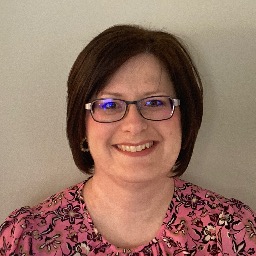
About Shara
Shara Trumbull is a Tennessee Licensed Clinical Social Worker (LCSW) with 25 years of practice. She focuses on mood-related concerns such as depression and anxiety, and on stress related to relationships, family matters, and life changes. Shara works with people facing grief, addiction, bipolar mood challenges, and parenting or caregiving strain.
Over many years she has helped people sort through family conflict, attachment issues, and communication problems. Her approach emphasizes listening and building stronger self-understanding. Sessions often include looking at how past experiences affect present feelings and behavior.
Shara draws on Attachment-Based Therapy to consider how relationships shape mood and connection. She also uses Client-Centered Therapy to keep the conversation focused on the client's priorities and pace. These approaches are used to address issues like intimacy struggles, codependency, and isolation.
People consult her for a wide range of concerns including stress, trauma and abuse, anger, career transitions, and fertility or fatherhood issues. She also supports those coping with chronic illness such as cancer and the stress of caregiving. Practical skills for managing emotions and improving communication are common parts of her work.
Her practice blends attention to emotional and, when relevant, spiritual concerns as clients describe them. Sessions prioritize clear goals, honest conversation, and steps the client can try between meetings. Prospective clients in Tennessee can expect straightforward discussion about symptoms, relationships, and next steps.
How her approaches guide online sessions
Shara uses Attachment-Based Therapy to look at how early and current relationships affect mood and connection. This approach helps when people struggle with intimacy, codependency, or patterns that repeat in relationships.She also uses Client-Centered Therapy, which keeps the work focused on the client's priorities and pacing. That method emphasizes listening, reflecting what the client says, and helping the client set goals they feel ready to try.
Deciding which approach fits best is part of the first sessions. The therapist will work together with the client to identify goals, try different ways of working, and adjust methods as needed based on how things progress.
If you are considering online sessions, confirm the available session formats before booking. The main practical benefit is fitting sessions into everyday life - for example, choosing a shorter check-in during a work break or avoiding travel time to an office. Online work can also make it easier to maintain continuity during life changes. Licensed professionals can adapt conversational techniques and attachment-focused work to remote sessions while focusing on clear goals and manageable steps between meetings.
Areas of expertise
Primary focus
Also works with
Additional focus areas
Therapeutic approaches
Experience
25+ years
Credentials
Tennessee
Languages
English
Frequently asked questions
What concerns does she help with?
She works with depression, anxiety, stress, and relationship and family issues, plus related areas such as grief, addiction, bipolar mood challenges, and caregiver stress.
What is her therapeutic style?
Her style centers on listening and helping clients identify practical steps. She blends Attachment-Based and Client-Centered approaches to focus on relationships and the client's priorities.
How much experience does she have?
She has 25 years of clinical experience as a practicing therapist in Tennessee.
What are her credentials and location?
She is a Tennessee Licensed Clinical Social Worker (LCSW) practicing in Tennessee.
Are sessions offered in other languages?
Sessions are offered in English.
Can international clients work with her?
She does not accept international clients at this time.
How are fees handled?
Cost varies with location, and sessions use a subscription that can be canceled at any time.
How do I begin the process?
Select the See online therapy options button, complete the short matching questionnaire, and schedule a first session to get started.
Before you reach out
- Check that the state license on record covers the state you live in.
- You do not need a diagnosis or the right words. Saying "my mood has been up and down" or "I have felt low for weeks" is a fine place to start.
- Counselors offer talking support. Questions about medication belong with a doctor or psychiatrist, and the two can go side by side.
- A profile shows the topics a counselor lists; it is not a diagnosis or a promise of any result.
If you feel unsafe right now, call or text 988, or call 911.