- Depression and anxiety
- Trauma and addiction
- Attachment and self esteem
About Sharon
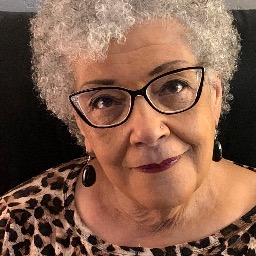
Sharon Calhoun is a Licensed Master Social Worker (LMSW) in Michigan with 35 years of clinical experience. She works with people who struggle with depression, anxiety, trauma, addiction, anger, and relationship problems. Sharon also focuses on issues like abandonment, attachment concerns, self-esteem, and family of origin patterns.
She uses practical, evidence-informed methods rather than jargon. Sessions are conversational and goal-oriented. She helps people notice patterns, try different behaviors, and practice new ways of relating to themselves and others.
Sharon draws on approaches such as attachment-based work, cognitive behavioral methods, and solution-focused strategies to address mood and behavior. She also uses motivational interviewing when substance use or ambivalence about change is present, and trauma-focused techniques when past harm is a central concern.
Clients can expect short-term and longer-term options depending on goals. Sharon helps set clear targets each week and checks progress regularly. She pays attention to communication skills, boundaries, and problem-solving around relationships and parenting roles like fatherhood issues.
Her long experience in Michigan has included work across many life stages, including aging and geriatric issues. Sharon brings decades of practice to practical problems such as managing stress, dealing with emptiness, and improving daily coping. Her style is collaborative and oriented toward measurable steps people can use between sessions.
Approaches used in online sessions and how they help
Sharon commonly draws on attachment-based work and cognitive behavioral therapy in her practice. Attachment-based work looks at how early relationships shape current patterns and helps people change ways of relating that cause repeated hurt. Cognitive behavioral methods focus on identifying thoughts and behaviors that keep low mood or anxiety active and practice different choices in daily life.She also uses motivational interviewing when people feel unsure about change. That approach emphasizes weighing options, resolving mixed feelings, and supporting gradual behavior change rather than pushing decisions. These methods are useful for mood concerns, relationship dynamics, and substance use issues.
Finding the right approach is collaborative. Sharon will work with each person to decide which methods fit their goals and preferences, and she reviews progress over time to adjust the plan. The aim is practical: clearer communication, better coping skills, and small measurable steps forward.
Session formats are not listed here, so confirm the online options available before booking. Online sessions can make it easier to fit therapy into a busy week, allow shorter check-ins when needed, and remove commute time so sessions can be scheduled around work or caregiving. Sharon uses her clinical approaches to help people use session time for concrete skills and problem solving rather than only talking about problems.
Areas of expertise
Also works with
Additional focus areas
Therapeutic approaches
Experience
35+ years
Credentials
Michigan
Languages
English
Frequently asked questions
What concerns does she address?
She works with stress, anxiety, depression, trauma and abuse, addictions, anger, and relationship problems, plus related issues such as abandonment and attachment concerns.
What is her therapeutic style?
She uses a conversational, goal-focused style that helps people spot patterns and try practical changes between sessions.
How much clinical experience does she have?
She has 35 years of experience working with individuals across many life stages in Michigan.
What are her credentials and location?
She holds an LMSW credential and practices in Michigan.
Does she offer sessions in other languages?
Sessions are offered in English.
Can international clients work with her?
International clients are not currently accepted.
What session formats are available?
Please confirm current session options before booking, as session formats are not specified here.
How are fees handled?
Cost varies with location and sessions use a subscription that can be canceled at any time.
Before you reach out
- Check that the state license on record covers the state you live in.
- You do not need a diagnosis or the right words. Saying "my mood has been up and down" or "I have felt low for weeks" is a fine place to start.
- Counselors offer talking support. Questions about medication belong with a doctor or psychiatrist, and the two can go side by side.
- A profile shows the topics a counselor lists; it is not a diagnosis or a promise of any result.
If you feel unsafe right now, call or text 988, or call 911.