- CBT methods
- Mindfulness practice
- Narrative work
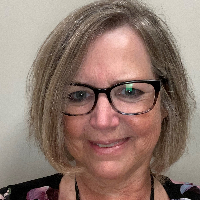
About Shelley
Shelley Adkins is a Licensed Clinical Social Worker (LCSW) practicing in Kentucky with 25 years of experience. She works with adults facing depression, anxiety, trauma and relationship concerns, and helps people cope with stress, grief, caregiver burnout, chronic health challenges, and career strain.
Shelley uses straightforward, practical methods to help people reduce distress and manage day-to-day demands. Sessions focus on what is happening now and on clear skills people can use between meetings. She draws on cognitive behavioral tools to spot unhelpful thinking patterns and on mindfulness practices to reduce reactivity and increase calm.
Her background includes long-term clinical work supporting adults through life transitions and complex emotional problems. That experience informs a steady, problem-solving approach that aims to strengthen communication and coping. She pays attention to how past events shape current reactions and helps people tell the stories that make sense of those patterns.
Shelley also works with people facing aging and geriatric issues, cancer and chronic illness, and caregiver stress. She addresses issues such as codependency, family of origin problems, and first responder stress with practical strategies and pacing that respect each person’s tempo.
Those who meet with Shelley can expect clear goals, regular check-ins about progress, and techniques drawn from client-centered, cognitive behavioral, narrative, mindfulness, and trauma-focused approaches. She conducts sessions in English and practices in Kentucky.
How Shelley uses evidence-based approaches online
Client-Centered Therapy focuses on listening and collaboration. It helps people clarify goals and feel understood while deciding what changes matter most. Cognitive Behavioral Therapy (CBT) looks at the links between thoughts, feelings, and behavior and teaches practical strategies to reduce low mood and anxiety. Mindfulness Therapy uses simple attention and breathing practices to reduce reactivity and support steadier mood.Finding the right approach is part of the work together. Shelley will discuss goals, preferences, and what has or has not helped before. She collaborates with each person to choose which tools to try and adjusts the plan as progress is tracked.
Confirm the specific session formats Shelley offers before booking, since those details are not listed here. Online sessions can make it easier to fit therapy into a busy week, shorten travel time, or allow a brief check-in when schedules are tight. Talk with Shelley about how a session might fit into your routine and which approaches could be most useful for your current concerns.
Areas of expertise
Primary focus
Also works with
Additional focus areas
Therapeutic approaches
Experience
25+ years
Credentials
Kentucky
Languages
English
Frequently asked questions
What concerns does she address?
Shelley works with adults on depression, anxiety, trauma, relationship problems, grief, caregiver stress, and related issues such as chronic illness and career strain.
What is her therapeutic style?
She uses a practical, problem-focused style that combines listening with skill-building. Sessions often include cognitive tools and mindfulness exercises.
How much clinical experience does she have?
She has 25 years of experience providing clinical social work in Kentucky.
What are her credentials and location?
Shelley is an LCSW licensed in Kentucky and practices there with sessions conducted in English.
Does she work with clients outside the United States?
International clients are not accepted at this time; services are focused on people in Kentucky and the surrounding region.
What session formats are offered?
Please confirm current session options before booking, as the available formats are not specified here.
How does cost work?
Cost varies by location and sessions use a subscription model that can be canceled at any time.
How do I begin working with her?
Select the See online therapy options button, complete a short matching questionnaire, and schedule your first session.
Before you reach out
- Check that the state license on record covers the state you live in.
- You do not need a diagnosis or the right words. Saying "my mood has been up and down" or "I have felt low for weeks" is a fine place to start.
- Counselors offer talking support. Questions about medication belong with a doctor or psychiatrist, and the two can go side by side.
- A profile shows the topics a counselor lists; it is not a diagnosis or a promise of any result.
If you feel unsafe right now, call or text 988, or call 911.