- Mindfulness Therapy
- Gottman Method
- Somatic Therapy
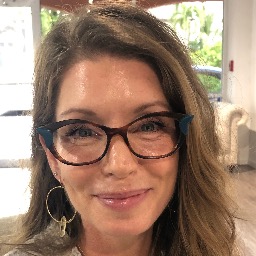
About Shelley
Shelley Hill is a Licensed Clinical Social Worker (LCSW) in Illinois with 25 years of practice. She works with people facing stress, anxiety, depression, grief, relationship and intimacy concerns, addictions, and issues like low self-esteem or trouble sleeping. Shelley also supports those coping with life changes, compassion fatigue, ADHD, and a range of trauma-related difficulties.
Her style mixes listening and direct guidance. She says thoughts and feelings often come from below conscious awareness, so talking alone may not be enough. Sessions can include focused conversation and techniques that work with body experience and attention, depending on what helps most.
Shelley draws on a variety of methods to create practical, lasting change. She uses approaches such as mindfulness, solution-focused work, somatic techniques, hypnotherapy, and the Gottman Method for relationship issues. These tools are used to help people manage symptoms and change unhelpful patterns over time.
She aims to be present, respectful, and occasionally lighthearted while helping people sort through difficult problems. Shelley explains things plainly and offers concrete steps as well as space to process feelings. She sees value in both understanding why something happens and taking action to shift it.
Shelley has worked across many problem areas including abandonment, attachment matters, caregiver stress, chronic illness and pain, codependency, communication problems, divorce and domestic violence. Her background includes long experience with couples and individual concerns. To begin, people follow the site process to match and schedule a first session.
How her methods translate to online work
Shelley frequently uses mindfulness therapy to help people notice thoughts and bodily sensations without judgment, which can calm anxiety and improve mood. She also incorporates somatic therapy to focus on body awareness and movement patterns, useful for trauma responses, chronic pain, and stress-related tension. For relationship work she draws on the Gottman Method to identify communication patterns and teach practical interaction skills.Choosing the right approach is part of the work together. Shelley will talk with each person about their goals, symptoms, and preferences, and then recommend which methods to try first. That process is collaborative and can shift as needs change.
Confirm current session options before booking, as specific formats are not listed here. Online sessions can make it easier to fit therapy into a busy day by removing travel time and allowing appointments from a convenient location. They can also allow shorter check-ins when needed or sessions without video if that helps someone focus. Ask about the platform and format when scheduling so that sessions fit into everyday life and practical constraints.
Areas of expertise
Primary focus
Also works with
Additional focus areas
Therapeutic approaches
Experience
25+ years
Credentials
Illinois
Languages
English
Frequently asked questions
What kinds of problems does she help with?
Shelley works with stress, anxiety, depression, grief, addictions, relationship and intimacy issues, low self-esteem, sleep and eating concerns, and trauma-related distress.
What is her therapeutic style?
Her approach blends attentive listening with direct guidance and techniques that work with body experience and attention. She balances understanding with concrete steps to change patterns.
How much experience does she have?
She has 25 years of clinical practice as an LCSW working with individual and relationship concerns.
Where is she licensed and based?
Shelley is a Licensed Clinical Social Worker (LCSW) in Illinois and practices from that state.
Does she offer sessions in other languages?
Sessions are offered in English.
Can people from other countries work with her?
She does not accept international clients at this time.
How are sessions paid for?
Cost varies with location and services, and sessions use a subscription that can be canceled at any time.
How do I begin a first session?
Use the See online therapy options button, complete the short matching questionnaire, and schedule a first session through the site.
Before you reach out
- Check that the state license on record covers the state you live in.
- You do not need a diagnosis or the right words. Saying "my mood has been up and down" or "I have felt low for weeks" is a fine place to start.
- Counselors offer talking support. Questions about medication belong with a doctor or psychiatrist, and the two can go side by side.
- A profile shows the topics a counselor lists; it is not a diagnosis or a promise of any result.
If you feel unsafe right now, call or text 988, or call 911.