- CBT methods
- DBT skills
- EMDR when appropriate
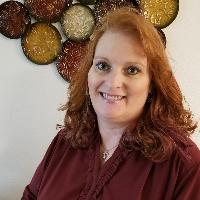
About Shelly
Shelly Sanders is a Licensed Clinical Social Worker (LCSW) in Idaho with nine years of direct therapy experience. She works with people facing stress, anxiety, depression, mood swings, trauma and abuse, anger, ADHD, and relationship or family concerns. Shelly also supports clients dealing with grief, intimacy issues, sleep and eating disturbances, addictions, and career or life changes.
Her approach is straightforward and client-centered. She listens and helps people set clear, achievable goals. Sessions focus on practical skills and understanding patterns that keep problems going. Shelly blends evidence-based tools with conversational work so clients can use what they learn between sessions.
Shelly uses Cognitive Behavioral Therapy to help people notice and change thought and behavior patterns that feed low mood or anxiety. She also draws on Dialectical Behavior Therapy for emotion regulation and distress tolerance. Attachment-Based Therapy informs how she looks at relationship patterns and early influences on mood and intimacy.
She may include Eye Movement Desensitization and Reprocessing (EMDR) and bilateral stimulation when appropriate for trauma work. Shelly frames plans around specific, time-sensitive steps so progress can be measured. She avoids jargon and focuses on what will make daily life more manageable.
Shelly has worked across settings in mental health for nearly a decade. Her practice pays attention to practical concerns like sleep, caregiving stress, chronic illness, and parenting strain. Adults seeking help for mood swings or long low periods will find a clear, goal-focused style that aims to build usable skills and better coping.
If you want to move from feeling stuck to clearer next steps, Shelly helps people identify small changes that add up over time.
How Shelly uses therapeutic approaches online
Shelly commonly integrates Cognitive Behavioral Therapy (CBT) when working with low mood and anxiety. CBT focuses on identifying unhelpful thoughts and testing them against real-life evidence, then trying new behaviors to change mood and functioning.She also draws on Dialectical Behavior Therapy (DBT) techniques to teach emotion regulation, distress tolerance, and improved interpersonal skills. DBT exercises are practical and can be practiced between sessions for better day-to-day coping.
Attachment-Based Therapy informs how she looks at relationship patterns and how early connections affect current mood and intimacy issues. That perspective helps when working through recurring relationship problems or longstanding trust concerns.
Finding the right combination of approaches is part of the work. Shelly will collaborate with clients to pick methods that fit their goals and preferences, adjusting plans as progress is made.
Session format options are not specified in the biography, so confirm current options before booking. Online work can make it easier to fit sessions into a busy life - for example shorter check-ins can fit a lunch break, audio-only meetings use less bandwidth, and remote sessions reduce travel time. These practical benefits can help people keep therapy consistent without promising any particular service.
Areas of expertise
Primary focus
Also works with
Additional focus areas
Therapeutic approaches
Experience
9+ years
Credentials
Idaho
Languages
English
Frequently asked questions
What concerns does she address?
Shelly works with stress, anxiety, depression, mood swings, trauma and related issues such as ADHD, addictions, relationship and family concerns.
What is her therapeutic style?
Her style is client-centered and practical, focusing on clear goals and skills you can use between sessions.
How much experience does she have?
She has nine years of direct therapy experience as a Licensed Clinical Social Worker in Idaho.
What credentials and location apply?
She holds the LCSW credential and practices in the state of Idaho.
Which languages are supported?
Sessions are offered in English.
Can I work with her from another country?
She is not accepting international clients at this time.
How does payment and cost work?
Cost varies with location and sessions use a subscription model that can be canceled at any time.
How do I begin a first session?
Select the See online therapy options button, complete a short matching questionnaire, and schedule your first session.
Before you reach out
- Check that the state license on record covers the state you live in.
- You do not need a diagnosis or the right words. Saying "my mood has been up and down" or "I have felt low for weeks" is a fine place to start.
- Counselors offer talking support. Questions about medication belong with a doctor or psychiatrist, and the two can go side by side.
- A profile shows the topics a counselor lists; it is not a diagnosis or a promise of any result.
If you feel unsafe right now, call or text 988, or call 911.