- Depression and anxiety
- Trauma and family
- CBT and ACT approaches
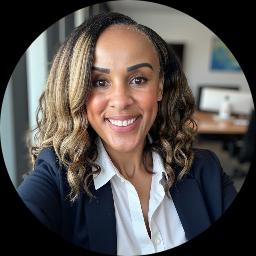
About Sonya
Dr. Sonya Boone is an LCSW (Licensed Clinical Social Worker) practicing in Hawaii with 16 years of clinical experience. She works with people facing depression, anxiety, trauma and abuse, family-related concerns, and mood-related challenges such as bipolar disorder. She also addresses stress, ADHD, grief, relationship and intimacy issues, and career or parenting strain.
Boone holds a Doctorate in Behavioral Health and several graduate degrees that inform her approach. She draws on evidence-based methods to help people manage symptoms and develop day-to-day coping strategies. In sessions she focuses on clear goals and practical steps rather than jargon.
Her style blends client-centered listening with specific skill-building. That can mean learning mindfulness techniques, practicing behavioral experiments, or identifying values and actions that matter. Sessions include direct discussion of patterns, communication, and problem-solving for daily life.
She pays attention to how cultural background and life circumstances shape responses to stress. That includes work issues, transitions, and the impact of trauma. She also supports people coping with chronic illness, first responder stress, and the ripple effects of separation or divorce.
People who want a structured yet person-focused approach tend to do well in her practice. New clients start by noting immediate concerns and practical goals. From there she and the client pick approaches and steps that fit current needs.
How her approaches translate to online work
Acceptance and Commitment Therapy (ACT) helps people clarify what matters to them and take small steps toward those values even when mood is low. It is often useful for decisions, motivation problems, and coping with ongoing stress. Cognitive Behavioral Therapy (CBT) looks at the links between thoughts, feelings, and actions and teaches concrete techniques to shift unhelpful patterns. It is commonly used for low mood, anxiety, and problem-solving in daily life.Finding the right approach is collaborative. The therapist will talk with each person about goals, try techniques, and adjust based on what helps. That means sessions can focus on skill practice, values-based actions, or exploring life events depending on the moment and the client's preferences.
Confirm the available session formats before booking since the profile does not specify them. Online sessions can make it easier to fit appointments into a workday, reduce travel time, and allow for shorter check-ins when needed. Therapists can guide mindfulness practice, coach behavioral experiments between sessions, and use worksheets or brief exercises that fit into everyday routines.
Areas of expertise
Primary focus
Also works with
Additional focus areas
Therapeutic approaches
Experience
16+ years
Credentials
Virginia, Texas, Hawaii, New Jersey, Utah, Arizona, Nevada, Oregon
Languages
English
Frequently asked questions
What kinds of concerns does she address?
She works with depression, anxiety, trauma and abuse, and a wide range of mood and relationship concerns including bipolar, grief, and parenting stress.
What is her therapeutic style like?
Her style blends client-centered listening with skill-building from approaches such as CBT, ACT, DBT and mindfulness to address day-to-day problems.
How long has she practiced?
She has 16 years of experience working with people on mood, trauma, and related issues.
What credentials and region are listed?
She is an LCSW licensed in Hawaii and practices from Hawaii.
Does she offer sessions in other languages or to international clients?
Sessions are offered in English and she accepts international clients.
What session formats are offered?
Please confirm current session options before booking, as formats are not specified in the profile.
How is cost handled?
Cost varies with location and sessions use a subscription that can be canceled at any time.
How do I get started?
Select the See online therapy options button, complete a short matching questionnaire, and schedule a first session.
Before you reach out
- Check that the state license on record covers the state you live in.
- You do not need a diagnosis or the right words. Saying "my mood has been up and down" or "I have felt low for weeks" is a fine place to start.
- Counselors offer talking support. Questions about medication belong with a doctor or psychiatrist, and the two can go side by side.
- A profile shows the topics a counselor lists; it is not a diagnosis or a promise of any result.
If you feel unsafe right now, call or text 988, or call 911.